 ultimate-guide
Is Professional Garage Door Maintenance Worth It?
Table of Contents
- What Does Professional Garage Door Maintenance Actually Include?
- The Financial Case: Maintenance vs Emergency Repair Costs
- Safety Risks of Skipping Routine Garage Door Service
- DIY Maintenance vs Hiring a Professional
- How to Prevent Garage Door From Freezing to Concrete in Winter
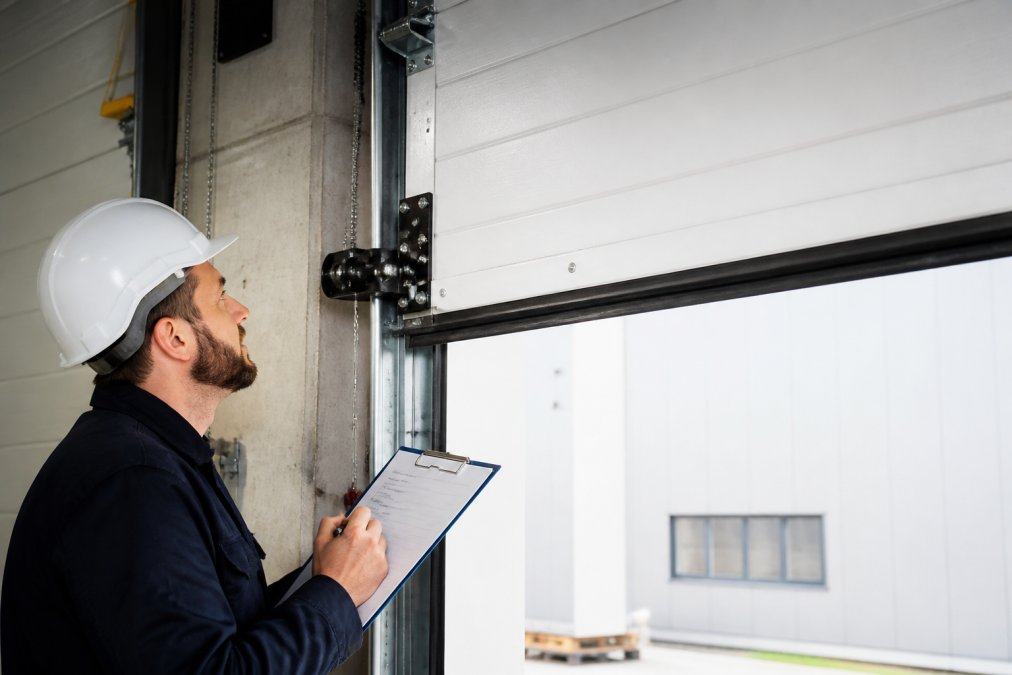
- Annual Garage Door Safety Inspection Checklist
- Garage Door Spring Replacement Cost: A Maintenance Perspective
- When Does Professional Maintenance Pay Off?
- Frequently Asked Questions
Last Updated: September 5, 2026
What Does Professional Garage Door Maintenance Actually Include?
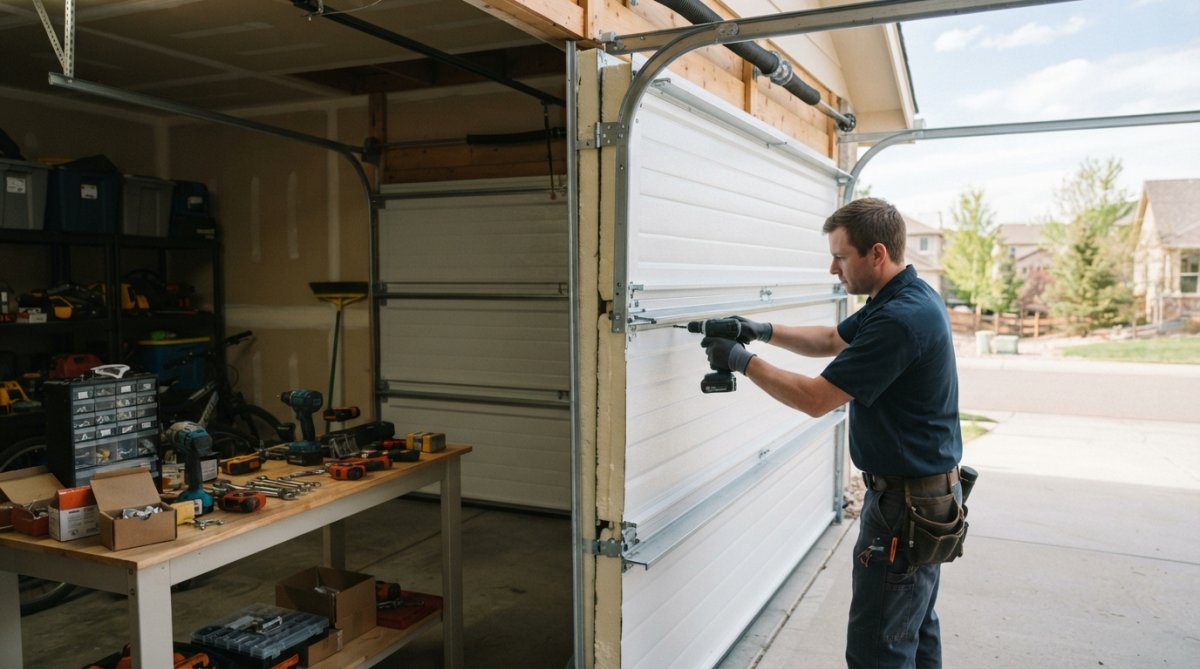
Professional garage door maintenance is a scheduled inspection and tune-up of the door's mechanical components to ensure safe, efficient operation. Many homeowners skip this service until something breaks, but a tune-up is far less disruptive than a mid-winter failure. At American Eagle Garage Doors LLC, we see the results of neglected doors daily: small issues compound into expensive repairs.
A thorough professional service goes well beyond spraying lubricant on the tracks. Technicians perform a full system evaluation covering the springs, cables, rollers, hinges, and opener motor, check the door's balance, verify the auto-reverse feature, and inspect safety sensors. Hardware gets tightened and moving parts receive the correct lubrication. The process usually takes 30 to 60 minutes.
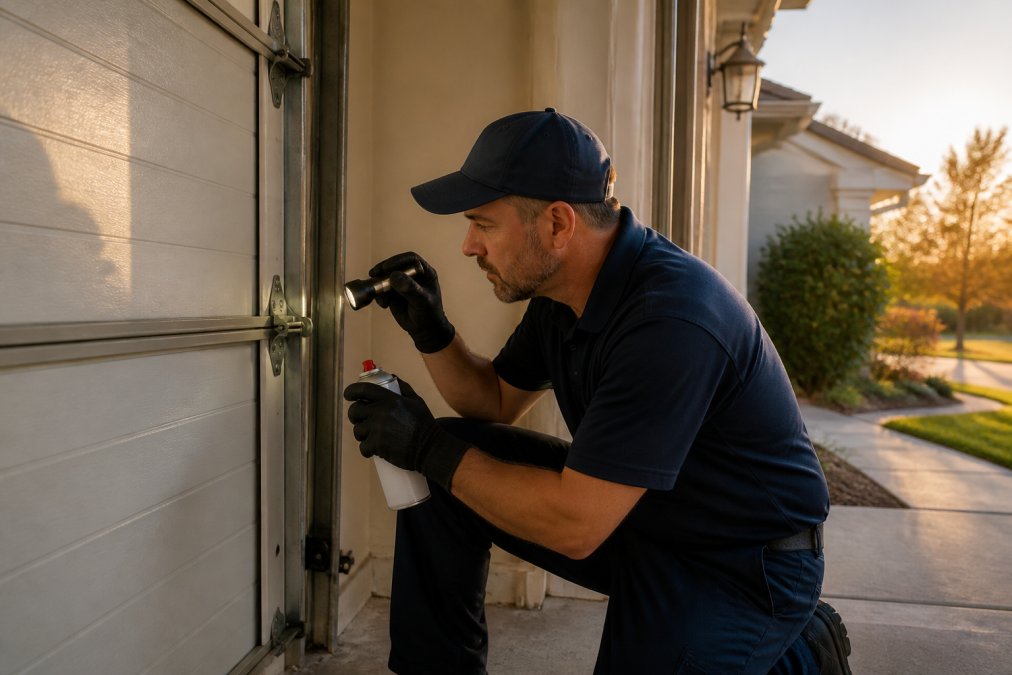
The goal is operational efficiency. A door that moves smoothly puts less strain on the opener and the springs, which extends the lifespan of the entire system.
The Financial Case: Maintenance vs Emergency Repair Costs
The most common question we hear is whether the cost of routine service is justified. The math usually favors prevention, but to see why, you have to look at specific components and their replacement costs.
Consider the two most expensive failure points on a residential garage door system: the torsion springs and the opener motor.
The Spring Failure Scenario: A standard residential torsion spring is rated for 10,000 to 20,000 cycles. At four open-close cycles per day, it will reach its lifespan in roughly 7 to 13 years and fail without warning. An emergency replacement runs between $150 and $300 plus an after-hours premium, while an annual tune-up costs between $80 and $150. Over 10 years, you might spend $1,000 to $1,500 on maintenance, but you will likely replace the spring once, and maintenance prevents the secondary damage a catastrophic failure can cause.
The Opener Motor Failure Scenario: A door that is misaligned, running on worn rollers, or struggling against a frozen seal puts excessive strain on the opener's drive train, potentially burning out the motor before its expected 10- to 15-year lifespan. A full opener replacement typically costs between $300 and $500. The root cause, worn rollers that cost $15 each or a simple track misalignment, could have been caught during a routine tune-up for a fraction of the cost.
The Emergency Call Premium: Most service providers, including ours, charge a higher hourly rate or a flat 'emergency fee' for after-hours, weekend, or same-day dispatch. Scheduling a tune-up on your own timeline locks in the standard rate.
To make this concrete, consider a simple 5-year cost projection:
- No Maintenance: One broken spring ($250 emergency replacement) + one opener burnout ($450 replacement) = $700 in reactive costs.
- Annual Maintenance: Five tune-ups at $125 each = $625 in planned costs.
The numbers are close, but the maintenance scenario includes a door that has been inspected for safety, lubricated for efficiency, and adjusted for balance. The reactive scenario includes a door that failed at the worst possible time, potentially leaving your home insecure or your car trapped. The financial argument for maintenance is not just about the raw dollar amount; it is about the predictability of the expense and the avoidance of collateral damage. According to guidance from the International Door Association on preventative maintenance, routine service is the most effective way to avoid unexpected breakdowns and protect your investment.
Safety Risks of Skipping Routine Garage Door Service
A garage door is the largest moving object in most homes. A typical residential door weighs several hundred pounds, and the torsion springs that counterbalance it store an enormous amount of tension. This is not a system to treat casually. Skipping routine service creates genuine safety hazards for you and your family.
The most critical safety component is the auto-reverse feature, designed to reverse the door if it hits an obstruction. During a tune-up, a technician tests this feature and adjusts force settings. If sensors are misaligned or the mechanism is worn, the door may not reverse, posing a serious risk to children and pets.
Beyond the electronics, the structural integrity of the door relies on tight hardware and properly functioning cables. Loose bolts and worn hinges can cause the door to bind or even come off its tracks. The Consumer Product Safety Commission guidelines on garage door safety recommend regular inspection of these components to prevent accidents. A professional service is the most reliable way to confirm that the tension in the system is correct and that all safety features are functioning as designed.
DIY Maintenance vs Hiring a Professional
There is a middle ground between full professional service and doing nothing. Many homeowners can handle basic DIY maintenance, and we encourage it. The key is knowing where your skill set ends and professional expertise begins, and understanding how your actions affect your manufacturer's warranty.
The Warranty Angle Most Guides Miss
Before you pick up a wrench, check your garage door opener's warranty. Most major manufacturers, including Chamberlain, LiftMaster, and Genie, offer warranties ranging from 1 year on parts to a lifetime on the motor. These warranties are almost universally conditional on proper installation and maintenance. If a claim is filed and the manufacturer determines a failure was caused by improper lubrication, overtightened hardware, or a misadjusted spring, they can deny it.
Some manufacturers also require proof of professional maintenance to honor the full warranty period. If your opener motor burns out at year four of a five-year warranty with no record of a tune-up, the manufacturer may argue neglect, not defect. A professional tune-up provides a dated service record documenting proper maintenance, a tangible financial benefit rarely discussed.
What You Can Safely Do Yourself
Here is what you can safely do without voiding your warranty:
- Visual inspection: Check for frayed cables, worn rollers, and rust on the tracks. If you see fraying on any cable, stop and call a professional immediately.
- Lubrication: Apply a silicone-based lubricant to the rollers, hinges, and tracks. Do not use grease, which attracts dirt. Check your opener's manual for specific lubrication points, using the wrong lubricant can damage the mechanism.
- Tightening hardware: Use a socket wrench to tighten bolts on hinges and brackets. Be careful not to overtighten.
- Cleaning sensors: Wipe the safety sensor lenses with a dry cloth to remove cobwebs and dust.
Where Professional Service Is Non-Negotiable
Professional service is necessary for spring adjustments, cable replacement, opener repairs, and diagnosing alignment issues. These tasks require specialized tools and training. A technician also spots early signs of wear an untrained eye would miss, catching small problems before they become emergency repairs.
The Climate Factor
Your local climate dictates your DIY routine. In humid, coastal regions, salt air accelerates corrosion, so a monthly visual inspection for rust is critical. In arid, dusty climates, tracks accumulate grit requiring more frequent cleaning. In extreme cold, the bottom seal can freeze to concrete and opener sensitivity settings may need adjustment. A professional tune-up before a seasonal change ensures your door is properly sealed and lubricated, and the technician can advise on a climate-specific DIY schedule.
DIY maintenance is a complement to, not a substitute for, professional service. DIY tasks keep the system clean and visible, but the professional tune-up provides diagnostic depth and a warranty-protecting service record a homeowner cannot replicate.
How to Prevent Garage Door From Freezing to Concrete in Winter
Winter weather creates unique problems for garage doors, and how to prevent garage door from freezing to concrete in winter is a question we answer frequently. The issue occurs when water seeps under the door and freezes, bonding the rubber bottom seal to the concrete. When the door opens, it can tear the seal or strain the opener motor.
The fix is straightforward. First, ensure the bottom seal is in good condition, a cracked or brittle seal allows water to pool underneath. Second, apply a silicone-based lubricant to the bottom seal before a freeze to prevent ice from bonding to the rubber. Third, clear snow and ice away from the base before opening.
If the door is already frozen, do not force it. Use a plastic scraper or pour warm water along the base to break the ice seal. A professional tune-up before winter ensures your door is properly sealed and lubricated for the cold months.
Annual Garage Door Safety Inspection Checklist
An annual garage door safety inspection is the single most effective habit a homeowner can adopt. You can perform a basic version yourself, but a professional inspection adds assurance that all safety systems are functioning correctly.
Here is a practical checklist for your annual review:
- Test the auto-reverse feature: Place a block of wood or a roll of paper towels in the door's path. The door should reverse upon contact.
- Check the balance: Disconnect the opener using the emergency release. Manually lift the door halfway. It should stay in place. If it falls or rises, the springs are out of balance.
- Inspect the cables: Look for fraying, kinks, or rust. Cables should be taut and free of damage.
- Examine the rollers: Worn or chipped rollers should be replaced. Steel rollers should be lubricated; nylon rollers may not need it.
- Test the safety sensors: The door should not close if the sensor beam is obstructed. Clean the lenses and check for proper alignment.
- Check the weather stripping: Ensure the bottom seal is intact and the side seals are not cracked or pulling away.
If any of these tests fail, it is time to call a professional. The cost of a service call is minimal compared to the potential for injury or major component failure.
Garage Door Spring Replacement Cost: A Maintenance Perspective
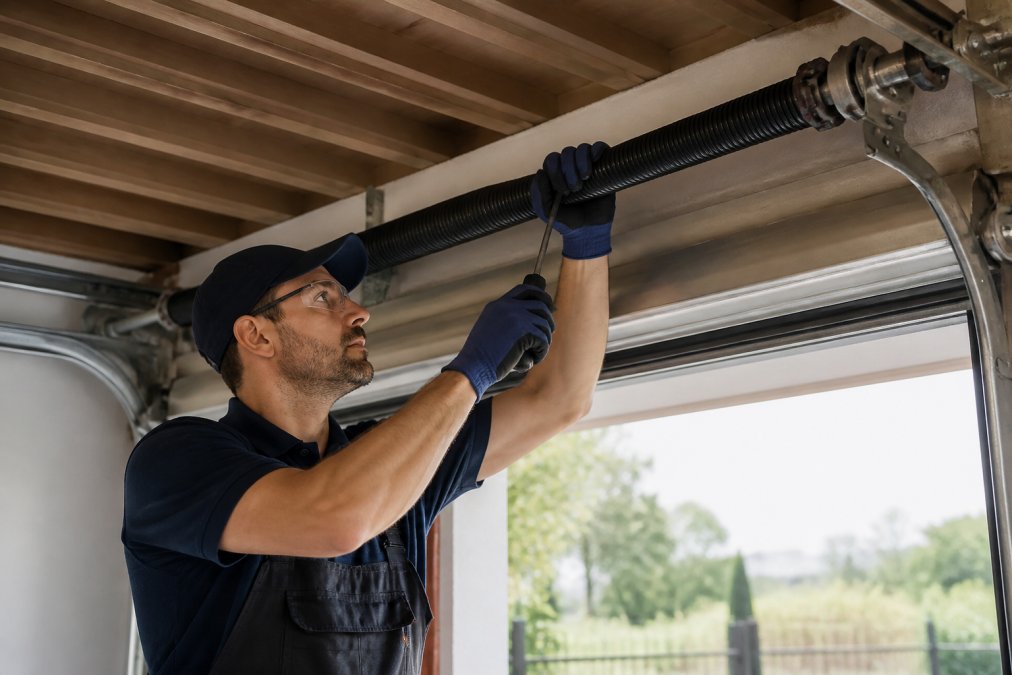
The question of garage door spring replacement cost often motivates a homeowner to start a maintenance routine. Springs have a finite lifespan, a typical torsion spring is rated for a certain number of cycles, and once it reaches that limit, it breaks.
The cost depends on the type of spring, door size, and labor. Torsion springs, mounted above the door, are more expensive than extension springs along the sides. Because of the extreme tension, this is not a DIY job. A professional replacement ensures the spring is properly matched to the door's weight and correctly wound.
Here is where maintenance pays off. A technician who services your door regularly can monitor spring condition and estimate remaining lifespan. Replacing a spring during a scheduled visit is generally less expensive than an emergency call after failure. A well-lubricated spring also lasts longer than a dry one. For accurate pricing, contact American Eagle Garage Doors LLC for a free estimate.
When Does Professional Maintenance Pay Off?
Professional garage door maintenance pays off most clearly in three scenarios: when the door is approaching ten years old, when you are preparing for extreme weather, and when you plan to sell your home.
An older door has more wear and tear on its components. A professional can identify parts that are nearing the end of their lifespan and replace them before they fail. This proactive approach is far less stressful than dealing with a broken spring on a Sunday morning when you are trying to leave for work.
For commercial property owners, the calculus is even more direct. A broken door on a loading dock can halt operations and cost revenue. Routine maintenance on commercial doors is an operational necessity, not an optional expense. The Occupational Safety and Health Administration guidance on door safety highlights the importance of regular maintenance for industrial doors to ensure they operate safely and reliably.
The return on investment for professional maintenance is measured in avoided emergency repairs, extended equipment lifespan, and peace of mind. A door that operates smoothly and safely is worth the modest cost of an annual tune-up. For homeowners in Greeley and Evans, American Eagle Garage Doors LLC offers the expert service needed to keep your door functioning at its best.
The decision to invest in professional garage door maintenance comes down to whether you prefer planned, manageable costs or reactive emergency expenses. Regular service protects your family, extends equipment life, and saves money over time. American Eagle Garage Doors LLC provides free estimates, expert repair and installation, and competitive pricing for residential and commercial doors. Get started with American Eagle Garage Doors LLC and ensure your garage door operates safely and reliably all year long.
Frequently Asked Questions
How often should a garage door be professionally serviced?
Most manufacturers and service providers recommend a professional garage door maintenance tune-up once a year. Homes with heavy door usage, such as multiple daily cycles or extreme weather conditions, may benefit from a service every six months. Annual service catches small issues like loose hardware or worn rollers before they cause a breakdown, extending the door's lifespan and keeping the warranty valid.
What are the warning signs that a garage door needs professional repair?
Common warning signs include unusual grinding or scraping noises during operation, jerky or uneven movement, visible gaps between the door and the frame, and a door that reverses direction unexpectedly. A door that fails the balance test or has a slow response time from the opener also signals trouble. If you notice any of these, schedule a professional inspection promptly to prevent a complete failure and address safety hazards.
Can I perform garage door maintenance myself?
You can safely perform basic tasks like lubricating rollers and tracks, cleaning the photo-eye sensors, and visually inspecting cables. However, tasks involving torsion springs, cable tension, or opener adjustments carry serious injury risk and require professional training. While DIY maintenance helps between tune-ups, an annual inspection by a professional service provider ensures safety-critical components are checked properly and your warranty remains intact.
Does regular maintenance affect garage door spring replacement cost?
Yes. Regular professional maintenance extends spring life by keeping the system properly balanced and lubricated. Neglected doors force springs to work harder, leading to premature failure and the need for a costly garage door spring replacement. Catching wear early during a tune-up lets you plan for replacement costs rather than facing an emergency repair, which often carries a higher service fee.