 ultimate-guide
Smart Garage Door Openers and Home Security
Table of Contents
- How Smart Garage Door Openers Work
- Security Benefits of Smart Garage Door Openers
- How to Add WiFi to Your Existing Garage Door Opener
- How to Burglar Proof Your Garage Door
- Smart Home Integration and Automation
- Privacy and Data Protection Concerns
- Battery Backup and Power Outage Security
- Frequently Asked Questions
Last Updated: September 29, 2026
How Smart Garage Door Openers Work
Smart garage door openers integrate electronic sensors, wireless connectivity, and cloud-based systems to deliver real-time monitoring and remote access from anywhere. Understanding how these devices function is essential for homeowners considering an upgrade.
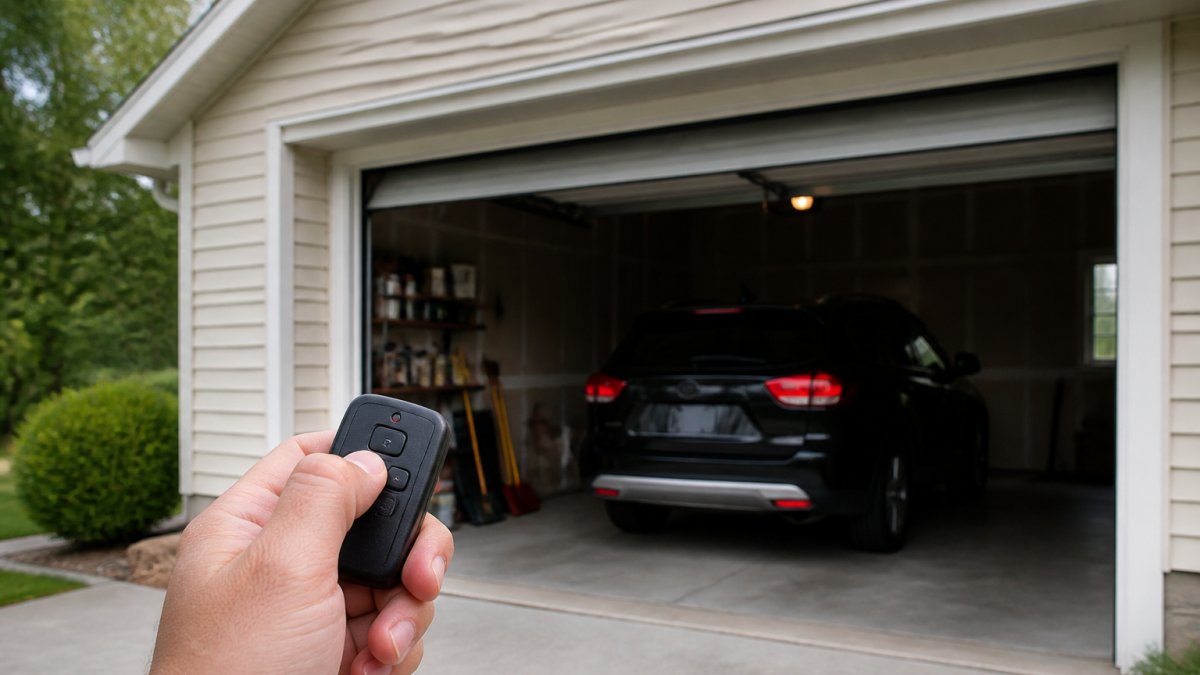
Smart garage door openers combine traditional mechanical door movement with digital intelligence by replacing or retrofitting your existing opener with one that includes WiFi connectivity, allowing you to control and monitor your garage door through a smartphone app or smart home platform.
Core Components and Connectivity
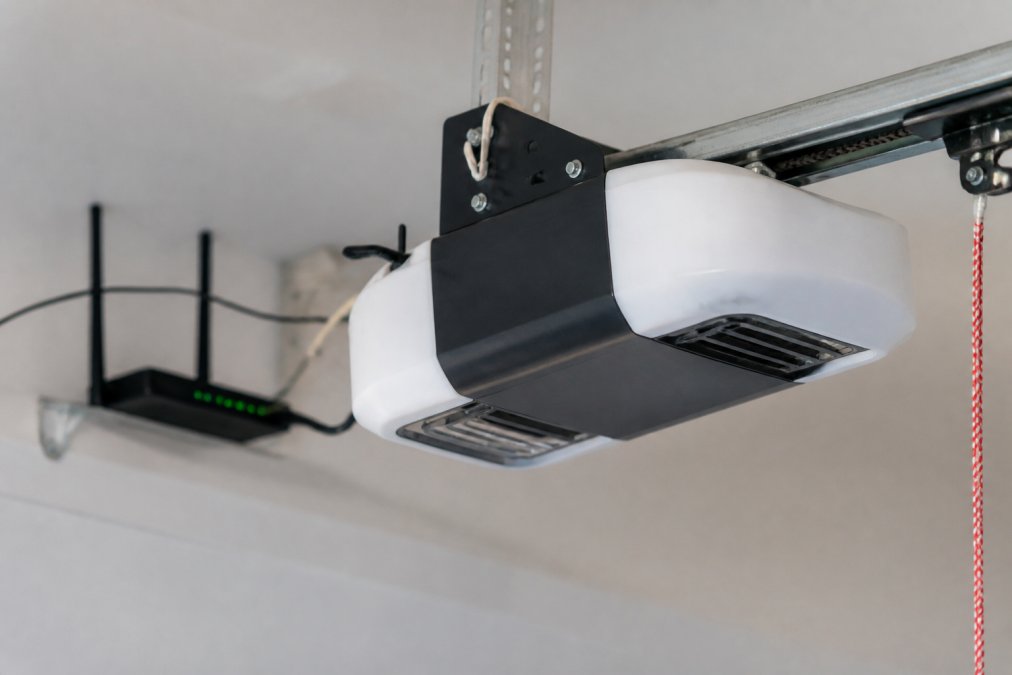
A smart garage door opener pairs a motor unit with a WiFi-enabled control module that processes commands from your phone and relays them to the motor. A door position sensor, typically a reed switch mounted on the door track, reports whether the door is open, closed, or partially open.
Smart openers use WiFi, Z-Wave, or Zigbee protocols. WiFi offers direct smartphone access but requires strong signal strength. Z-Wave and Zigbee operate on lower-frequency bands designed for smart home mesh networks, providing better range in larger homes or those with poor WiFi coverage. Many systems support multiple protocols simultaneously for flexibility.
Most modern smart openers include battery backup systems (typically 9V or 12V) that maintain basic functionality during power outages, allowing manual operation even when internet service is unavailable.
Remote Monitoring and Real-Time Alerts
Smart garage door openers enable real-time monitoring from anywhere. Push notifications alert you instantly when the door opens, closes, or remains open longer than expected, allowing you to verify authorized versus unauthorized access.
Activity logs create timestamped records of every door movement, showing when the door opened, who initiated the action, and duration. This transparency eliminates confusion and provides accountability for access patterns.
Some systems flag unusual patterns, like the door opening at 3 AM, and send alerts prompting investigation. This detects potential security breaches or mechanical malfunctions.
Security Benefits of Smart Garage Door Openers
Your garage represents a direct entry point to your home. Smart openers address this vulnerability through multiple security layers that traditional mechanical systems cannot provide.
Access Control and Activity Logs
Smart systems allow you to grant temporary or permanent access to specific individuals through the mobile app. You can issue time-limited access codes to contractors, delivery services, or family members, then revoke access immediately when their visit ends.
Every action is logged with a timestamp and the identity of who initiated it. This transparency deters unauthorized access and provides evidence if a security incident occurs.
Different user roles can be assigned different permissions. Service providers can receive one-time access codes that expire automatically, preventing the security weakness of lost or stolen remotes.
Emergency Release and Manual Override
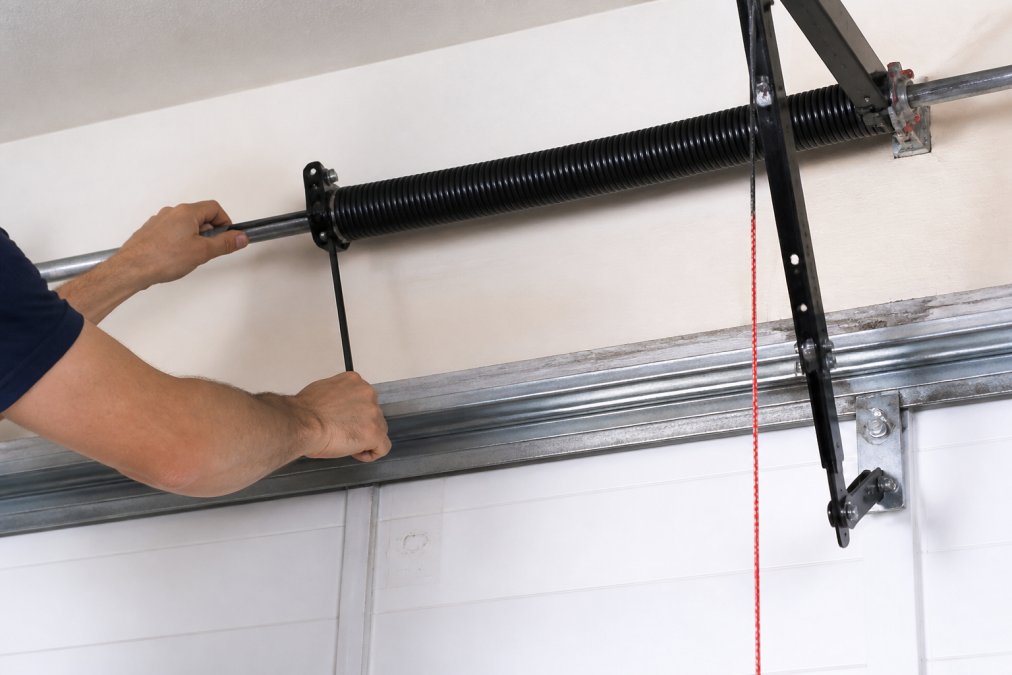
Every smart garage door opener must include a manual emergency release mechanism, typically a red cable or lever mounted inside the garage that mechanically disengages the door from the motor. This allows manual operation if power fails or the smart system malfunctions.
The manual override ensures you're never trapped in your garage if systems fail and provides a mechanical backup that doesn't depend on batteries or internet connectivity.
Test the manual release mechanism quarterly to ensure it functions properly when needed.
How to Add WiFi to Your Existing Garage Door Opener
Retrofitting WiFi capability to an existing garage door opener is often more practical than replacing the entire system, preserving your investment while unlocking modern security and convenience benefits.
Assessing Compatibility and Hardware Needs
Most openers manufactured in the last 20 years are compatible with retrofit WiFi modules. Examine your opener's model number and research whether WiFi retrofit kits exist for that specific model.
Your opener must have a compatible relay or control interface that a retrofit module can connect to. Screw-drive, chain-drive, and belt-drive openers all support retrofit WiFi modules, though installation complexity varies.
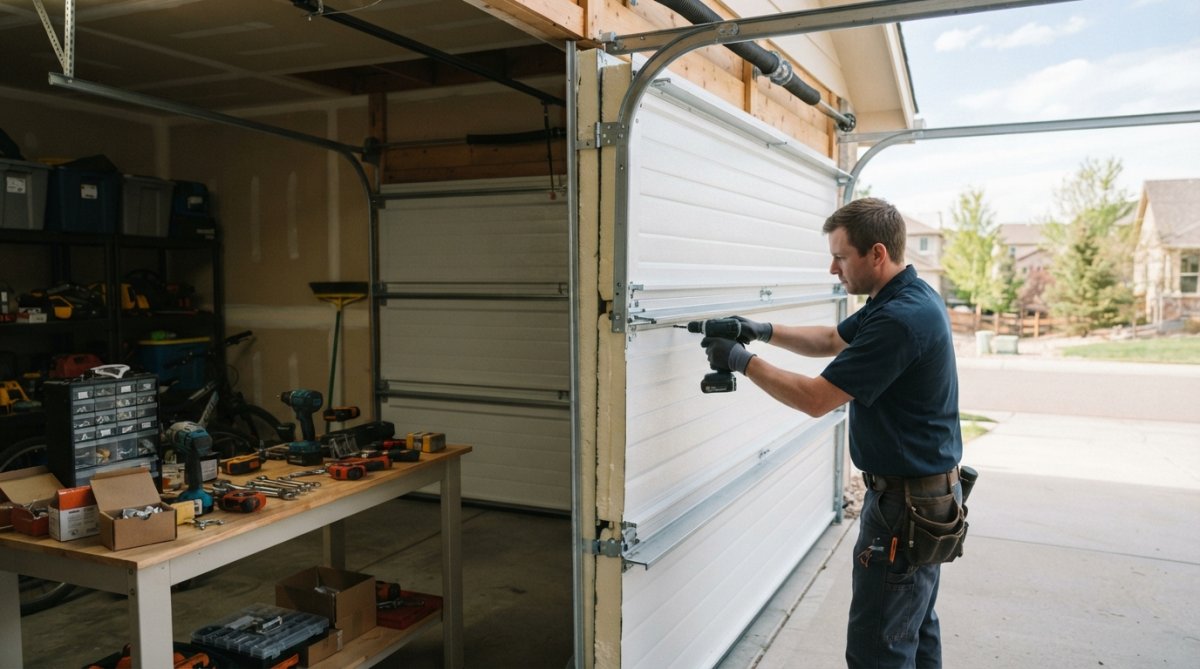
Hardware requirements typically include a WiFi control module, a door position sensor if lacking, and possibly a relay or interface board. Professional installation is strongly recommended, as improper wiring can damage the opener or create safety hazards.
Your garage must have adequate WiFi signal strength.
Installation Steps for WiFi Retrofit
Professional installation ensures proper integration with your existing system.
Disconnect power at the circuit breaker to prevent accidental door movement or electrical shock. Identify the motor terminals where the control buttons connect; the retrofit module will wire into these same terminals.
How to Burglar Proof Your Garage Door
Securing your smart garage door opener requires both cybersecurity measures and physical security practices, as a compromised opener provides attackers remote access to your home's largest entry point.
Cybersecurity Best Practices for IoT Devices
Use a strong, unique password for your opener's app account. A 16-character password combining uppercase, lowercase, numbers, and symbols creates a barrier against brute-force attacks.
Physical and Network Security Measures
Your home WiFi should use WPA3 encryption (or WPA2 if unavailable) to protect data transmitted between your smart opener and your phone.
Smart Home Integration and Automation
Smart garage door openers function most effectively when integrated into a broader smart home ecosystem, transforming your opener into a coordinated system that enhances both security and convenience.
Z-Wave and Zigbee Connectivity Options
Z-Wave and Zigbee are alternative wireless protocols designed for smart home mesh networks. Unlike WiFi, they relay signals through other compatible devices, extending range throughout your home without requiring a strong direct signal to your router.
Geofencing and Automated Scheduling
Geofencing enables your smart opener to automatically open the garage door when your phone approaches your home and close it after you've driven away, eliminating manual triggering.
Privacy and Data Protection Concerns
Smart garage door openers collect and transmit data about your home's access patterns. Understanding what data your opener collects and how manufacturers handle it is essential.
Battery Backup and Power Outage Security
Power outages present a critical vulnerability for smart garage door openers. When your home loses electrical power, your WiFi network goes down, your smart home hub loses connectivity, and your smartphone cannot communicate with the opener remotely. However, a properly configured smart opener with battery backup maintains basic functionality.
Frequently Asked Questions
What are the primary security benefits of a smart garage door opener?
Smart garage door openers provide real-time monitoring so you know instantly if your door opens unexpectedly, detailed activity logs showing who accessed the door and when, remote closure capability if you forget to close it, and integration with home security systems for coordinated protection. Two-factor authentication and encryption protect against unauthorized access. These features create multiple layers of security that traditional openers cannot match, significantly reducing break-in risk through the garage entry point.
How do I add WiFi to an existing garage door opener?
Most retrofits require installing a smart plug or relay module between your opener and power source, plus adding a door position sensor to track open/closed status. You'll need to connect these devices to your home WiFi network through a mobile app, then configure access permissions. Compatibility depends on your opener's age and wiring, openers from 2010 onward typically support retrofit kits. For older units, a professional assessment determines whether retrofit is feasible or replacement is more practical and cost-effective.
Are there privacy risks associated with connected garage door openers?
Cloud-based systems store activity data on manufacturer servers, which could theoretically be accessed if those servers are breached. Your WiFi network is also a potential entry point if not properly secured with strong passwords and encryption. To minimize risk, use two-factor authentication, update firmware regularly, choose providers with transparent privacy policies, and ensure your home WiFi uses WPA3 encryption. Consider whether you need cloud storage or if local-only control through a home hub better suits your privacy preferences.
What should I look for in a smart garage door opener for maximum security?
Prioritize two-factor authentication, end-to-end encryption, regular firmware updates from the manufacturer, and detailed activity logging. Check compatibility with your existing opener and home security system. Look for options that support both WiFi and Z-Wave or Zigbee for redundancy. Verify the device has a manual emergency release cable and battery backup for power outages. Read privacy policies to understand how your data is stored and protected. Test remote access and real-time alerts before committing to ensure reliability for your specific setup.
Can a smart garage door opener be integrated with existing alarm systems?
Yes, most modern smart openers integrate with major alarm systems through Z-Wave, Zigbee, or direct API connections. This allows your alarm to trigger garage door closure automatically when armed, send alerts if the door opens while the system is active, and include garage access in activity logs. Integration quality varies by alarm provider and opener brand, verify compatibility before purchase. Professional installation ensures proper configuration and that the garage door integration doesn't create security gaps or false alarms.
What happens to my smart garage door opener during a power outage?
Most smart openers lose WiFi connectivity immediately, though the motor may have a battery backup that allows manual opening for a limited time. Without power, remote monitoring and automatic features stop working. To maintain security during outages, ensure your opener has a battery backup system, keep the manual emergency release accessible, and consider a backup power source like a battery backup unit. Some systems notify you when power is lost, helping you respond quickly if security is compromised during an outage.
Do smart garage door openers require a monthly subscription fee?
Many smart garage door systems offer free basic functionality including remote opening, closing, and real-time status. Advanced features like extended activity logs, cloud storage, or integration with professional monitoring services often require paid subscriptions. Some manufacturers include a free trial period before charging begins. Review pricing and subscription requirements before purchase to understand total cost of ownership. Ask about what happens to your system if you cancel, some devices revert to basic local control, while others may lose functionality entirely.