 ultimate-guide
Insulated Garage Doors: A 2026 Guide to Selection & Installation
Table of Contents
- Why Insulated Garage Doors Matter for Your Home
- Benefits of Insulated Garage Doors Explained
- Garage Door R-Value Explained: What You Need to Know
- Material Options for Insulated Garage Doors
- Cost to Install Insulated Garage Door: Budget Breakdown
- Energy Savings and Climate Control Benefits
- Installation Process and What to Expect
- Maintenance for Insulated Garage Doors
- Frequently Asked Questions
Last Updated: September 23, 2026
Why Insulated Garage Doors Matter for Your Home
Insulated garage doors have become essential for homeowners looking to improve energy efficiency and comfort. Unlike traditional uninsulated doors, insulated garage doors maintain consistent temperatures and reduce noise transmission, making them a practical investment for any property. At American Eagle Garage Doors LLC, we help homeowners in Greeley and Evans understand why this upgrade matters beyond aesthetics.
Your garage isn't just a storage space, it's often connected to your home's living areas. When an uninsulated door sits between your garage and the rest of your house, temperature swings can affect your heating and cooling costs significantly. A well-insulated garage door acts as a thermal barrier, keeping heat in during winter and blocking solar gain during summer.
The real benefit becomes clear when you consider the long-term impact. Homeowners who switch to insulated garage doors report noticeable differences in their utility bills and overall home comfort. The investment can lead to energy savings over several years, depending on your climate and usage patterns.
Benefits of Insulated Garage Doors Explained
Insulated garage doors deliver multiple advantages beyond simple temperature control. The primary benefit is energy efficiency, your HVAC system doesn't have to work as hard to maintain comfortable indoor temperatures when your garage is properly insulated.
Noise reduction is another significant advantage. If your garage is near bedrooms or living spaces, the soundproofing qualities of insulation materials make a noticeable difference. Street noise, traffic, and the sound of the garage door opener itself all diminish considerably.
Weather resistance improves with insulation as well. The materials used in insulated doors, polyurethane, polystyrene, and other foam cores, create a more durable barrier against moisture, temperature fluctuations, and structural stress. This extends the lifespan of your garage door and reduces maintenance needs.
Home value also benefits from this upgrade. Potential buyers recognize energy-efficient features, and an insulated garage door signals that the home has been well-maintained. It's one of those improvements that appeals to modern homeowners concerned about operating costs.
| Benefit | Impact | Best For |
|---|---|---|
| Energy efficiency | Reduced heating/cooling costs | All climates |
| Noise reduction | Quieter operation and less external sound | Urban or noisy areas |
| Weather resistance | Better durability in extreme temperatures | Cold or humid regions |
| Home value | Increased appeal to buyers | Long-term investment |
| Temperature regulation | Consistent garage climate | Connected living spaces |
Garage Door R-Value Explained: What You Need to Know
The R-value measures thermal resistance, how effectively a material resists heat flow. For garage doors, R-value ranges typically span from R-6 (minimal insulation) to R-20 (maximum insulation in residential applications). Higher R-values indicate better insulation performance and greater energy savings potential.
Understanding R-value helps you make an informed decision about which insulated garage door suits your needs. A door with R-12 insulation provides solid performance for most homeowners. In colder climates or homes with attached garages, R-15 or higher becomes more justifiable.
The thickness of the insulation core directly correlates with R-value. Thicker foam layers provide better thermal resistance but add weight to the door. This affects the garage door opener's workload and the spring system's lifespan, so balance is important.
R-Value vs. U-Factor: Understanding the Difference
R-value and U-factor measure opposite sides of the same concept. U-factor represents heat transfer, how much heat passes through the material. R-value represents heat resistance, how well the material blocks heat transfer. The relationship is simple: U-factor equals 1 divided by R-value.
A door with R-12 insulation has a U-factor of approximately 0.083. A door with R-20 has a U-factor around 0.050. When comparing insulated garage doors, you'll see both metrics listed. Prioritize R-value for consistency, as it's more commonly used in residential applications.
Understanding this distinction matters when comparing products across different manufacturers. Some emphasize U-factor in their marketing, while others highlight R-value. Both tell the same story, just from different angles.
Insulation Types: Polyurethane, Polystyrene, and Beyond
Polyurethane insulation dominates the residential garage door market. It offers superior thermal resistance and structural rigidity. Polyurethane foam expands to fill the door's cavity, creating a seamless insulation layer with minimal air gaps. This material typically delivers R-values between R-12 and R-20.
Polystyrene (expanded polystyrene or EPS) provides a more affordable alternative. It's lighter than polyurethane but offers slightly lower R-values for the same thickness. Polystyrene performs adequately for moderate climates and budget-conscious homeowners.
Fiberglass insulation appears in some garage doors, though less commonly than foam options. It's effective but requires careful installation to prevent settling over time. Fiberglass-insulated doors work well in dry climates where moisture isn't a concern.
The choice between these materials depends on your climate, budget, and performance expectations. Polyurethane generally outperforms alternatives and justifies the premium cost through superior longevity and thermal efficiency.
Material Options for Insulated Garage Doors
Material selection affects durability, maintenance requirements, and aesthetic appeal. Your garage door's outer material works alongside insulation to determine overall performance and appearance.
Steel Construction and Durability
Steel remains the most popular material for residential garage doors. Steel panels are strong, affordable, and available in numerous colors and styles. When combined with insulation, steel doors deliver excellent durability and weather resistance.
Steel doors resist warping and maintain structural integrity through temperature extremes. The material handles impacts well and doesn't degrade from UV exposure like some alternatives. Steel is also recyclable, appealing to environmentally conscious homeowners.
One consideration: steel can rust if the protective finish is compromised. Quality steel doors feature baked-on enamel or powder-coat finishes that provide long-term protection. American Eagle Garage Doors LLC provides expert installation services for steel insulated doors.
Maintenance for steel doors is straightforward, occasional cleaning and inspection of the weatherstripping keep them performing optimally. The durability of steel combined with proper insulation creates a reliable, long-lasting solution.
Fiberglass and Aluminum Alternatives
Fiberglass garage doors offer a lightweight alternative with natural resistance to rust and corrosion. The material doesn't require painting and handles moisture well, making it ideal for humid climates. Fiberglass doors can mimic the appearance of wood while providing superior durability.
Aluminum doors are extremely lightweight and corrosion-resistant. They work well in coastal areas where salt air poses a challenge for steel. Aluminum is less common for insulated residential doors because it conducts heat more readily than steel, reducing insulation effectiveness.
Both materials cost more than steel but provide specific advantages in particular environments. Fiberglass excels in moisture-prone areas, while aluminum suits coastal properties. For most homeowners in standard climates, insulated steel doors remain the optimal choice.
Cost to Install Insulated Garage Door: Budget Breakdown
Installation costs vary based on door specifications, your home's existing setup, and whether you're replacing an old door or retrofitting. Multiple factors influence the final price, so understanding these variables helps you budget appropriately.
What Affects Installation Pricing
Door size directly impacts cost, larger doors require more material and labor. A standard single-car door costs less than a double-car installation. Custom sizes or specialty dimensions increase expenses.
Insulation type affects pricing. Polyurethane-insulated doors cost more than polystyrene options. The R-value you choose, whether R-12, R-15, or R-20, influences the price accordingly.
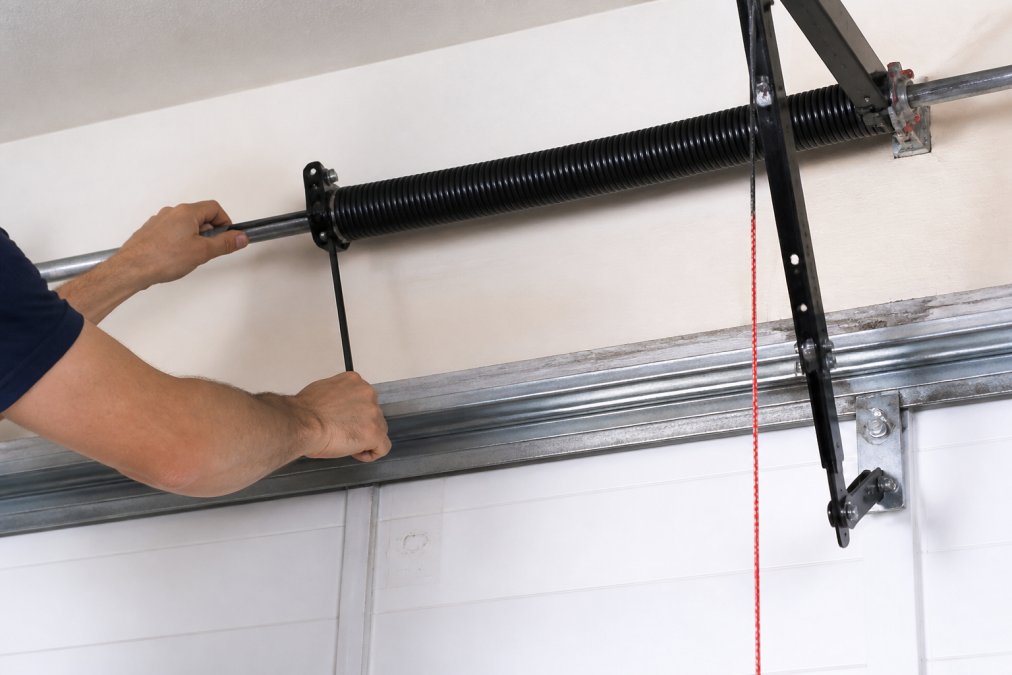
Your existing garage door condition matters significantly. If you're replacing a damaged or outdated door, removal and disposal add to the project cost. Existing spring systems and openers may need adjustment or replacement for compatibility.
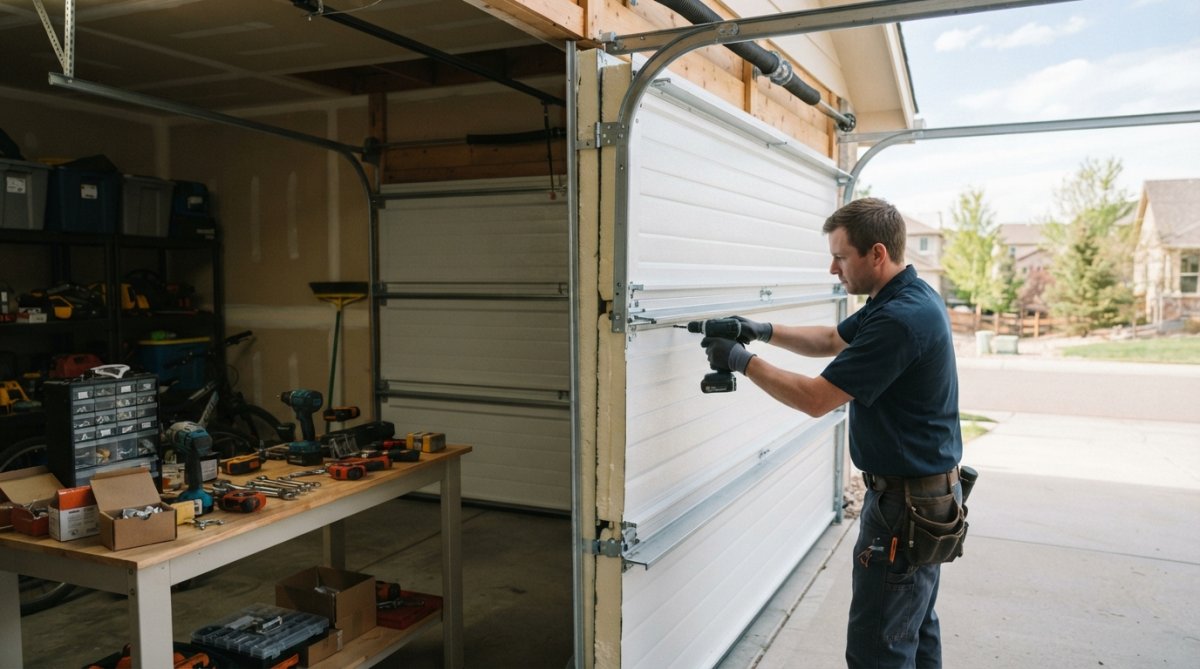
Professional installation includes proper alignment, weatherstripping installation, spring adjustment, and opener testing. This labor component is part of the total project cost.
Retrofitting vs. Full Replacement
Retrofitting involves adding insulation to an existing uninsulated door. This approach costs less than full replacement and works when your current door is structurally sound. Retrofit kits use thin insulation panels that attach to the interior of existing panels.
Energy Savings and Climate Control Benefits
Insulated garage doors reduce your home's overall heating and cooling load. In winter, they prevent heat loss through the garage. In summer, they block solar heat gain. This dual benefit applies year-round, contributing to consistent energy savings.
Installation Process and What to Expect
Professional installation ensures your insulated garage door operates safely and performs as designed. Understanding the process helps you prepare and know what to expect on installation day.
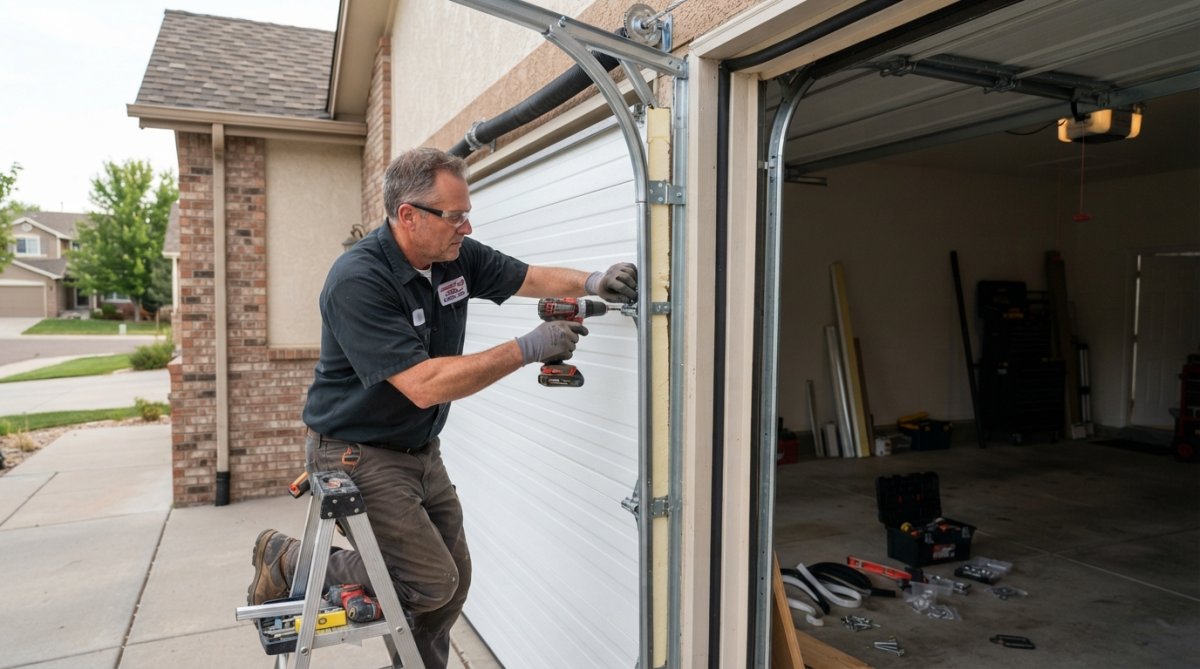
Professional Installation vs. DIY
Professional installation guarantees proper alignment, safe spring tension, and correct opener adjustment. Technicians have the equipment and expertise to handle the heavy lifting safely. They also identify and address potential issues before they become problems.
Warranty and Maintenance After Installation
Quality insulated garage doors come with manufacturer warranties covering defects in materials and workmanship. Ask about warranty details before installation begins.
Maintenance for Insulated Garage Doors
Regular maintenance preserves your investment and prevents costly repairs. Insulated doors require attention to both the insulation integrity and mechanical components.
Frequently Asked Questions
What is the difference between R-value and U-factor for insulated garage doors?
R-value measures insulation resistance to heat flow (higher is better), while U-factor measures heat transfer rate (lower is better). U-factor is the inverse of R-value, so a door with R-12 has approximately a U-factor of 0.08. Understanding both helps you choose a door that maintains proper thermal efficiency and temperature regulation for your climate.
Is it worth upgrading to an insulated garage door?
Yes, if you use your garage frequently or live in a climate with extreme temperatures. Insulated doors reduce energy loss, lower heating and cooling costs, minimize noise from outside traffic, and improve structural integrity compared to uninsulated steel panels. The energy savings and noise reduction benefits can justify the higher upfront cost, especially for attached garages that affect your home's overall climate control.
Can you add insulation to an existing garage door?
Yes, you can retrofit existing doors with insulation kits containing polyurethane or polystyrene panels, though this is less effective than replacing the entire door. Retrofitting works best on older single-layer steel doors and costs less than full replacement. However, a new insulated garage door provides better weatherstripping, superior structural integrity, and more customizable styles. Your choice depends on your budget and how long you plan to stay in your home.
How long does a professional garage door installation take?
Professional installation typically takes 2 to 4 hours for a single residential garage door. The timeline depends on your existing door's condition, whether torsion springs need replacement, and if your current opener is compatible with the new door. Professional installation ensures proper alignment, correct spring system tension, and reliable opener compatibility, critical for safe operation and warranty coverage.