 how-to
Commercial Garage Door Repair: A How-To Guide
Table of Contents
- Signs Your Commercial Garage Door Needs Repair
- How to Handle Emergency Garage Door Repairs
- Commercial Garage Door Spring Replacement: When and How
- Creating a Commercial Garage Door Maintenance Checklist
- OSHA Garage Door Safety Standards for Commercial Facilities
- When to Replace vs. Repair Your Commercial Door
- Finding Professional Commercial Garage Door Repair Services
- Conclusion
Last Updated: August 29, 2026
Signs Your Commercial Garage Door Needs Repair
A commercial garage door that operates smoothly is essential to your facility's workflow, security, and safety. Identifying when repair is needed prevents costly emergency shutdowns and safety hazards.
Listen for grinding, squealing, or rattling noises during operation, these indicate worn rollers, damaged tracks, or deteriorating springs. If your door moves unevenly, hesitates, or requires extra force to operate, the balance system is compromised. A door that won't stay open or slams shut unexpectedly signals spring or cable failure, a serious safety risk demanding immediate attention.
Visual inspection reveals other red flags: frayed or broken cables, rust on metal components, misaligned panels, gaps between sections, stretched or cracked springs, damaged weather stripping, and track misalignment. Response time matters, a slow-closing door or intermittent opener failure worsens daily. At American Eagle Garage Doors LLC, we recommend annual inspections to catch developing problems before they escalate into emergency repairs.
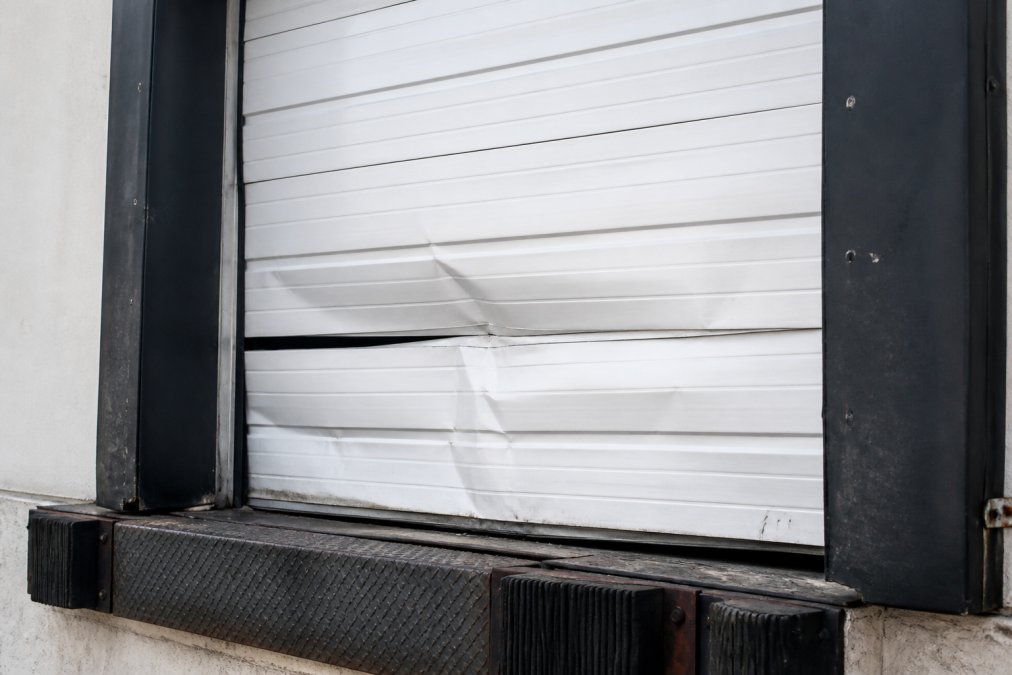
Don't ignore subtle changes in door behavior. What feels like a minor inconvenience today becomes a facility-wide disruption tomorrow. The cost of preventative maintenance is far lower than emergency repair bills or lost productivity.
How to Handle Emergency Garage Door Repairs
When your commercial garage door fails unexpectedly, your first priority is safety for personnel and equipment. Stop using the door immediately and do not attempt to force it open or closed, forcing a malfunctioning door can cause springs to snap, cables to break, or panels to collapse. Post clear signage blocking access.
Assess the situation without touching the door mechanism. Can you identify the problem visually? Document details like whether the door is completely stuck, partially open, or unable to close, these speed up diagnosis when the technician arrives.
Call a professional commercial garage door repair service immediately. American Eagle Garage Doors LLC offers same-day and next-day emergency response. Explain the symptoms clearly: when the problem started, what sounds or movements you noticed, and whether anyone was injured.
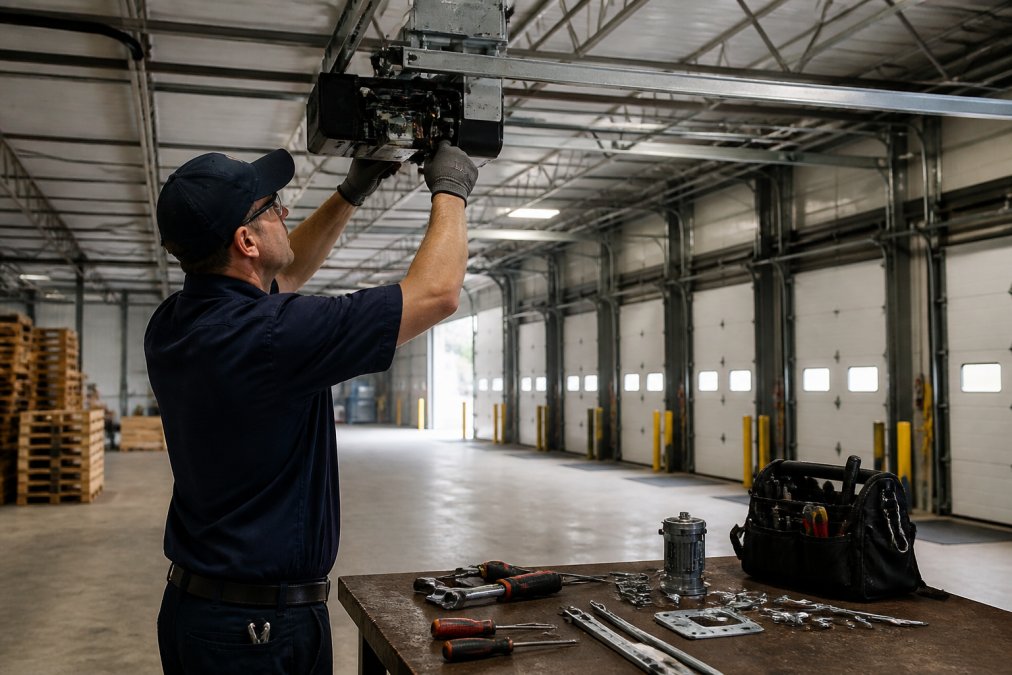
Keep the area around the door clear of vehicles, equipment, and personnel. If the door is partially open, do not attempt to move it or prop it with objects. If you have a backup manual operation system, use it only if trained and confident, improper use causes injury.
Document the incident: note the time, what triggered the failure, and any damage. This information helps your technician understand the failure cause and informs your maintenance strategy. Photos of damaged components help with insurance claims if applicable.
Commercial Garage Door Spring Replacement: When and How
Springs are the hardest-working components in your commercial garage door system. They counterbalance the door's weight, enabling smooth operation and safe manual backup if the opener fails. Commercial doors typically use torsion springs mounted above the door opening or extension springs on either side. Torsion springs are more common in commercial applications because they provide smoother operation and longer lifespan.
A broken spring creates an immediate problem: the door becomes extremely heavy and difficult to operate manually. Never attempt spring replacement yourself, a single spring stores energy equivalent to hundreds of pounds of force (osha.gov). Improper handling causes severe injury or death.
Signs your springs need replacement: the door feels heavier than normal, requires more opener force to lift, or won't stay open without the opener running. Springs typically last 10,000 to 20,000 cycles, roughly 10 to 15 years depending on usage frequency (peer-reviewed research). High-cycle facilities need spring replacement every 5 to 7 years.
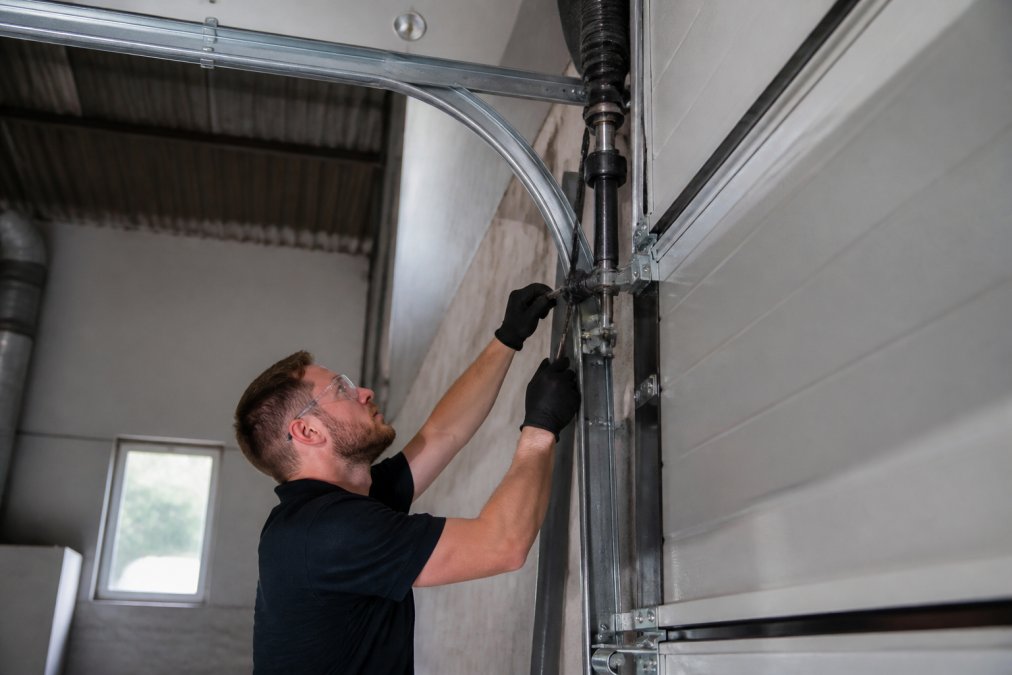
Professional spring replacement secures the door in the open position using safety cables or blocks, disconnects the opener, and uses specialized winding bars and torque tools to carefully release tension in the old spring, remove it, and install the new spring with precise tension calibration. Replace both springs together even if only one is broken, mismatched springs create uneven door movement and accelerate wear.
Preventative spring maintenance extends lifespan: annual lubrication of spring components reduces friction and wear. Avoiding sudden temperature changes and excessive humidity protects springs from corrosion. American Eagle Garage Doors LLC provides free estimates for spring replacement.
Creating a Commercial Garage Door Maintenance Checklist
Preventative maintenance is the single most effective strategy for avoiding expensive repairs and emergency downtime. A structured maintenance checklist ensures nothing gets overlooked and creates a record of your facility's door condition over time.
Monthly visual inspection takes 10 minutes and catches developing problems early. Check for visible damage to panels, hardware, and cables. Look for rust, corrosion, or paint damage on metal components. Test door operation manually by releasing the opener and pushing the door, it should move smoothly with light pressure. Listen for unusual noises during powered operation.
Quarterly detailed inspection goes deeper. Lubricate all moving parts: hinges, rollers, springs, and track hardware using silicone-based lubricant designed for garage doors. Check track alignment by looking for gaps between rollers and track walls. Verify that all bolts and fasteners are tight. Test the safety reverse mechanism by placing a 2x4 block under the closing door, it should reverse within 2 inches of contact.
Semi-annual professional inspection by a qualified technician identifies issues you might miss. The technician performs load testing, balance verification, cable tension measurement, and spring condition assessment. This professional assessment costs far less than emergency repair and extends component lifespan significantly.
Commercial Garage Door Maintenance Checklist
| Task | Frequency | Who | Notes |
|---|---|---|---|
| Visual inspection (damage, rust, alignment) | Monthly | Facility staff | Takes 10 minutes; document findings |
| Lubricate moving parts | Quarterly | Facility staff | Use silicone-based lubricant only |
| Test manual operation and reverse | Quarterly | Facility staff | Check for smooth movement and safety response |
| Professional inspection and service | Semi-annual | Licensed technician | Includes load testing and spring assessment |
| Spring replacement | Every 10-15 years | Licensed technician | Replace both springs together |
| Cable replacement | Every 5-7 years | Licensed technician | Inspect at each professional service |
| Weather stripping replacement | As needed | Licensed technician | Check annually for gaps and deterioration |
Track maintenance prevents binding and uneven door movement. Clean tracks quarterly to remove dirt and debris. Check for dents or bends; minor dents can be tapped out, but severely damaged track sections must be replaced. Cable inspection happens at every maintenance visit, look for fraying, separation, or visible damage. Never attempt cable replacement yourself.
Create a maintenance log documenting every service, inspection, and repair. Record the date, work performed, parts replaced, and technician name. This history helps predict when major components will need replacement and provides evidence of proper maintenance if insurance claims arise.
OSHA Garage Door Safety Standards for Commercial Facilities
Commercial garage doors must comply with Occupational Safety and Health Administration (OSHA) standards. The primary standard is 29 CFR 1910.176, which requires that powered doors have safety devices preventing accidental closure or entrapment (osha.gov).
Doors must have safety reverse mechanisms that stop and reverse door movement if an obstruction is detected during closing, the door must reverse within 2 inches of contact with a 2x4 block. Safety sensors positioned to detect motion in the door's path must function reliably and be tested regularly. Emergency manual operation must allow the door to be opened manually if power fails, with the manual release accessible and clearly labeled. Warning signage must indicate the door is powered and can operate automatically.
Regular safety inspections verify compliance. The reverse mechanism test should be performed at least annually. Sensor alignment and cleanliness should be checked quarterly. All warning signs must be visible and legible. Any safety device that fails must be repaired immediately, the door should not operate until the safety system is restored.
Maintain records showing when inspections were performed, what was tested, and any repairs made. If an injury occurs, these records demonstrate that you maintained the door safely and trained personnel properly.
Train all personnel who work near commercial garage doors. They should understand the hazards, know how to operate the door safely, and recognize warning signs of malfunction. American Eagle Garage Doors LLC incorporates safety testing into every service visit and provides documentation supporting your compliance efforts.
When to Replace vs. Repair Your Commercial Door
The decision to repair or replace a commercial garage door involves weighing repair costs, remaining lifespan, safety considerations, and facility needs.
Repair is appropriate when: the door is less than 10 years old and the problem involves isolated components like a broken spring, damaged panel, or failed opener. The repair cost is significantly less than replacement, and the door's remaining lifespan justifies the investment. The damage is localized and doesn't indicate systemic failure. The door operates safely after repair.
Replacement is appropriate when: the door is 15+ years old and experiencing multiple component failures. Older doors often have worn springs, cables, rollers, and track systems simultaneously. The damage is structural or affects the door's fundamental operation, severely bent or cracked panels, twisted track, or damaged frame sections can't be safely repaired. Repair costs exceed 50% of replacement cost. The door doesn't meet current safety standards. Energy efficiency concerns justify replacement, as modern insulated commercial doors reduce heating and cooling costs significantly. The door is frequently malfunctioning, signaling end-of-life.
Consult a professional when the decision is unclear. American Eagle Garage Doors LLC evaluates your specific situation, provides honest recommendations, and offers free estimates for both repair and replacement options.
Finding Professional Commercial Garage Door Repair Services
Selecting the right commercial garage door repair provider directly impacts service quality, cost, and reliability.
Start by verifying licensing and insurance. Licensed technicians have demonstrated competency through certification or apprenticeship programs. Insurance protects you if the technician is injured or causes damage during service. Check references and customer reviews from commercial facilities the provider has serviced. Evaluate response time and availability, providers offering same-day or next-day emergency service minimize your downtime.
Compare pricing structure by getting written estimates from multiple providers. Understand what's included: the service call fee, parts cost, labor rate, and warranty on work performed. Assess communication and professionalism during your initial contact. Ask about maintenance programs that help you avoid emergencies through regular inspections and lubrication at scheduled intervals.
Verify parts quality and review warranty coverage. Reputable providers warranty their work, typically 1 to 3 years on parts and labor. A comprehensive warranty protects your investment.
American Eagle Garage Doors LLC meets all these criteria. We're licensed, fully insured, and committed to professional service. Our team provides free estimates, same-day emergency response, and comprehensive warranties on all work. Customer testimonial: "American Eagle Garage Doors did a fantastic job with our garage door in Evans! Their prices for garage door repair were competitive, their customer service was professional and prompt, and the finished product was exceptional.", Sara Shriver
Keeping your commercial garage door operating safely and reliably requires prompt attention to problems and preventative maintenance. When issues arise, professional service from a qualified technician prevents costly emergency repairs and facility disruptions. American Eagle Garage Doors LLC specializes in commercial garage door repair with same-day emergency response, free estimates, and expert technicians who understand the unique demands of commercial facilities. Call us today for a free assessment of your commercial garage door system.
Frequently Asked Questions
What are the most common signs that a commercial garage door needs repair?
Watch for slow opening or closing speeds, unusual grinding or squeaking sounds, visible damage to panels or frames, misaligned tracks, and doors that don't close completely. Torsion springs showing wear, cable damage, and malfunctioning sensors are also red flags. Address these issues promptly to prevent complete system failure and ensure safety for employees and equipment.
How often should commercial garage doors be professionally inspected?
Professional safety inspections should occur at least twice yearly for standard commercial facilities. High-use loading docks and warehouse doors may need quarterly inspections. Regular preventative maintenance extends the life of door components like torsion springs and cables, reduces unexpected downtime, and ensures compliance with OSHA garage door safety standards. A maintenance schedule protects your facility's operational continuity.
How long do commercial garage door springs typically last?
High-cycle torsion springs in commercial doors typically last 5-7 years with regular use, though heavy-use facilities may see shorter lifespans. Spring failure is one of the most common reasons for emergency repairs. Regular maintenance and timely commercial garage door spring replacement prevent sudden door failure and costly operational interruptions. Never attempt spring replacement yourself, this work requires specialized tools and expertise.
What should I include in a commercial garage door maintenance checklist?
A comprehensive commercial garage door maintenance checklist should cover visual inspection of panels and hardware, lubrication of tracks and hinges, testing of safety sensors, verification of door balance and alignment, checking weather stripping, and inspecting torsion springs and cables for wear. Document all service dates and findings. Regular maintenance documented in a maintenance log demonstrates compliance with safety standards and helps facility managers track system health over time.
This article was written using GrandRanker