 how-to
Prevent Garage Door From Freezing to Concrete in Winter
Table of Contents
- Why Garage Doors Freeze to Concrete in Winter
- Best Garage Door Weather Seal for Winter Protection
- How to Unstick a Frozen Garage Door Without Damage
- Lubrication and Maintenance Steps for Winter
- Garage Door Maintenance Tips for Winter Readiness
- Snow and Ice Removal From the Door and Threshold
- Temperature Control and Insulation Options
- Frequently Asked Questions
Last Updated: September 26, 2026
Why Garage Doors Freeze to Concrete in Winter
Garage doors freeze to concrete when moisture collects at the threshold and turns to ice. Cold temperatures drop below freezing, and any water trapped between the door seal and the concrete floor becomes a solid block. The door can't lift because ice acts like an anchor, holding the bottom retainer or rubber gasket firmly in place.
This happens most often in climates with temperature swings. A warm day melts snow. Night temperatures plunge. Water refreezes at the threshold. The cycle repeats until a thick ice layer builds up.
The problem gets worse when your garage door lacks proper weather stripping or when condensation forms inside an unheated garage. Moisture migrates to the lowest point, the concrete floor, and stays there when temperatures drop.
American Eagle Garage Doors LLC helps homeowners in Greeley and Evans prevent garage door freezing before it starts. The solution isn't complicated, but it does require planning and the right approach before winter arrives.
Best Garage Door Weather Seal for Winter Protection
The right weather seal stops ice from forming in the first place. A quality garage door seal creates a barrier that keeps moisture out and holds heat in when you're using a garage heater.
Rubber Gaskets and Vinyl Seals
Rubber gaskets are the most common choice for winter protection. They compress against the concrete as the door closes, creating a tight seal. Vinyl seals work similarly but tend to crack in extreme cold.
Look for gaskets with a bulbous profile. This shape compresses more effectively and fills gaps better than flat seals. The gasket should be at least half an inch thick.
Check your current seal by closing the door and trying to slide a piece of paper under it. If paper slides through easily, your seal needs replacement. A good seal resists the paper with noticeable pressure.
Replace rubber gaskets every 3-5 years. Cold weather breaks down rubber faster than moderate climates. If you notice cracks, splits, or hardening, replacement can't wait.
Bottom Retainer and Threshold Installation
The bottom retainer holds the rubber gasket in place and determines how well the seal contacts the concrete. A poorly installed retainer leaves gaps where ice forms.
Retainers come in aluminum or vinyl. Aluminum retainers hold up better in extreme cold and won't become brittle. Vinyl retainers are cheaper but degrade faster in freezing temperatures.
Install the retainer so the gasket compresses fully when the door closes. The seal should touch the concrete with even pressure across the entire width. High spots or gaps invite ice formation.
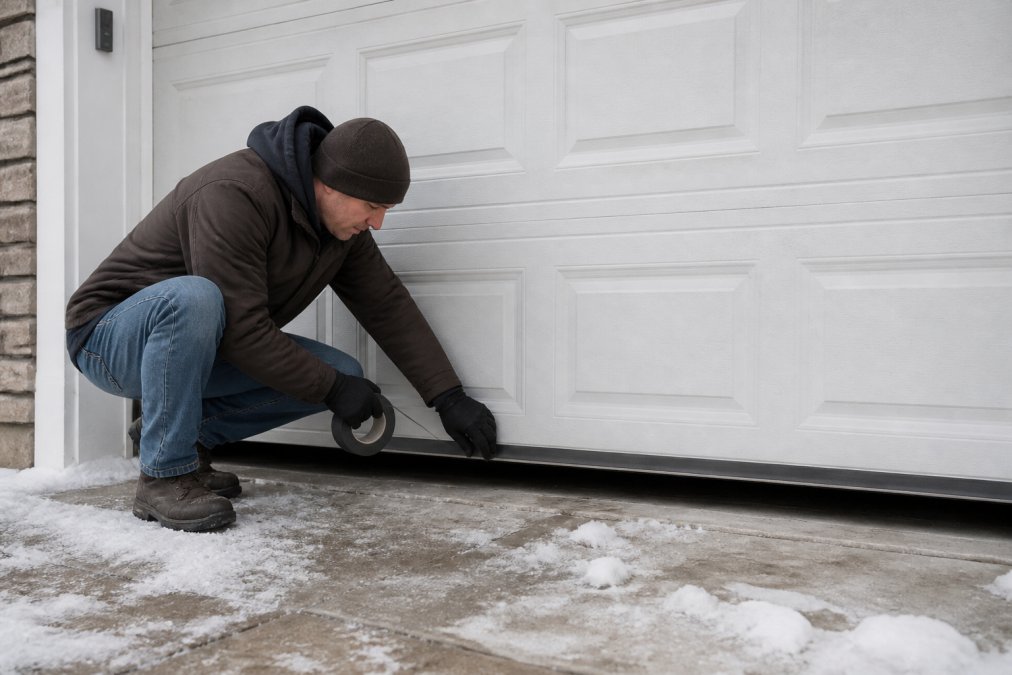
A threshold seal sits on top of the concrete and provides extra protection. It fills the space between the door frame and the floor. Threshold seals prevent snow and ice from being pushed under the door when you open it.
How to Unstick a Frozen Garage Door Without Damage
If your garage door froze overnight, don't force it open. Forcing causes damage to springs, rollers, and the motor. The right thawing method takes time but protects your equipment.
Safe Manual Release Techniques
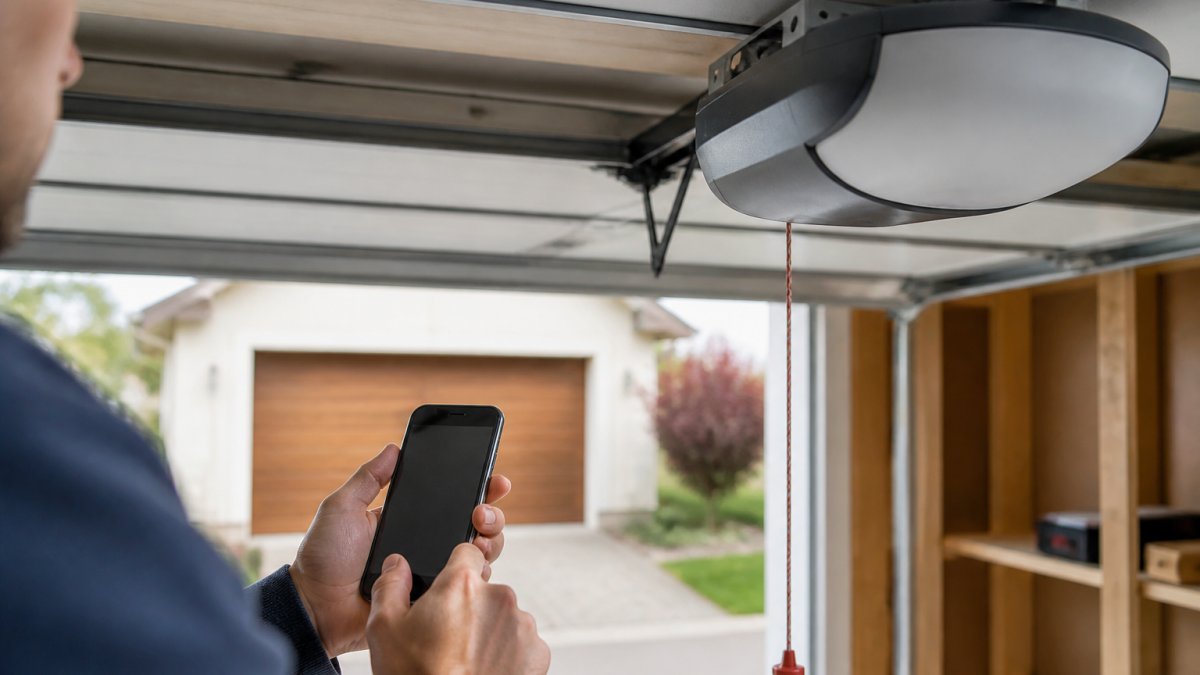
First, try the manual release cord. Pull the red cord hanging from the door opener. This disconnects the motor and lets you lift the door by hand if the ice isn't too thick.
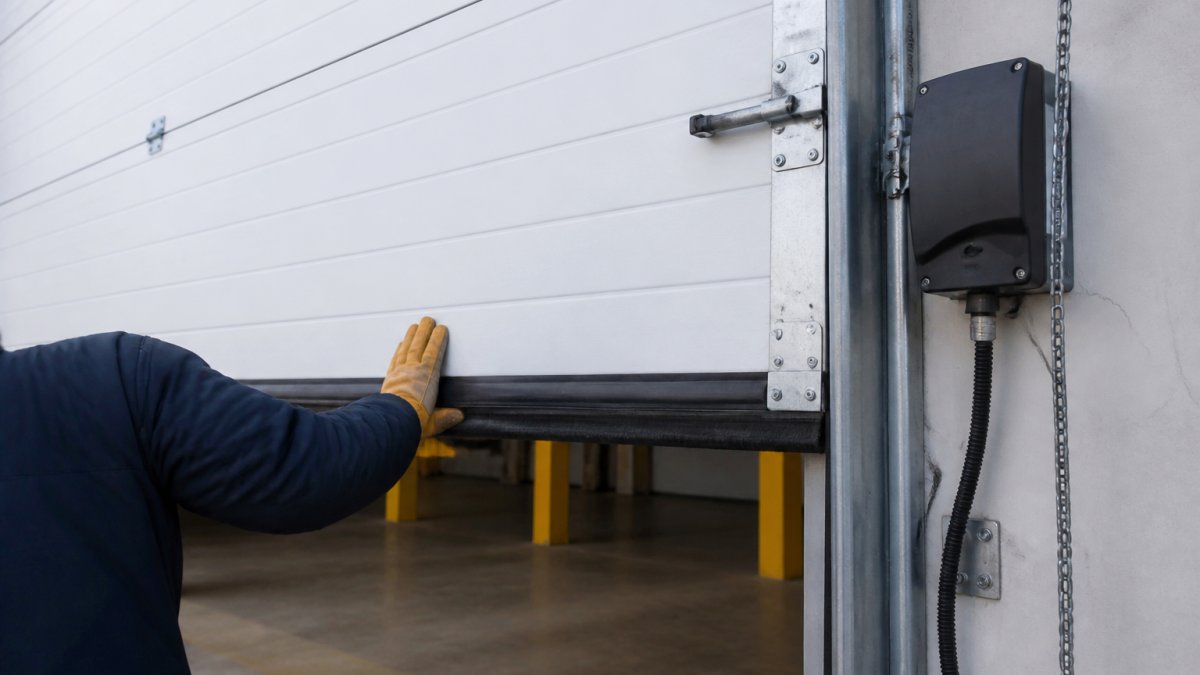
Lift gently and stop immediately if you feel resistance. Don't pull harder. Pushing through resistance means ice is still holding the door, and forcing it risks injuring yourself or breaking the door.
If the manual release doesn't work, apply heat to the threshold where ice has formed. Do not use a blowtorch or direct flame. Extreme heat can warp the door or damage weather stripping.
Thawing Methods and Heat Application
A heat gun works well for thawing. Hold it 6-8 inches from the concrete threshold. Move it slowly back and forth along the bottom of the door. This melts ice gradually without damaging materials.
A hair dryer works for smaller ice patches but takes longer. Aim it at the threshold for 10-15 minutes. The slow heat won't shock the door or concrete.
Hot water melts ice fastest but risks refreezing. If you use hot water, apply it only to the threshold and immediately dry the area. Wet concrete refreezes quickly in cold weather.
Wait 30 minutes after thawing before attempting to lift the door. Let the ice fully melt and drain away. Then try the manual release again.
Lubrication and Maintenance Steps for Winter
Proper lubrication reduces friction and helps prevent freeze-ups. A well-lubricated door operates smoothly even in cold conditions.
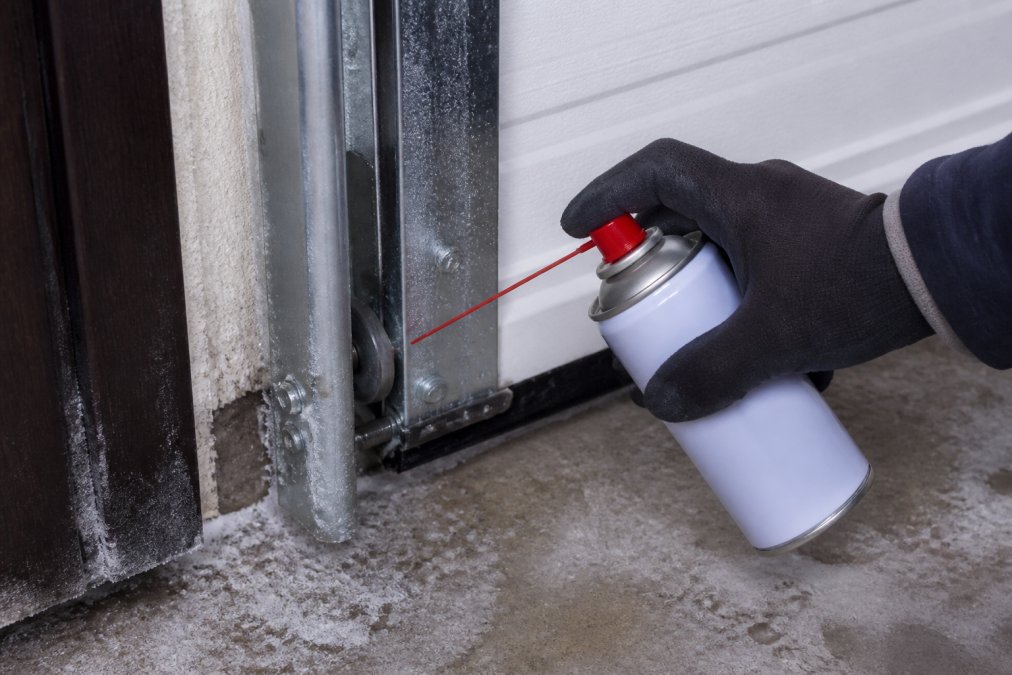
Applying Silicone-Based Lubricants Correctly
Silicone spray lubricant works best in freezing temperatures. It doesn't thicken or freeze like oil-based products. Apply it to tracks, rollers, hinges, and the bottom retainer.
Checking and Replacing Weather Stripping
Inspect weather stripping monthly during winter. Look for cracks, hardening, or areas where the seal no longer contacts the concrete. These spots are where ice forms first.
Garage Door Maintenance Tips for Winter Readiness
Fall maintenance prevents winter problems. A few hours of preparation now save you from frozen doors and emergency repair calls.
Concrete Surface Preparation
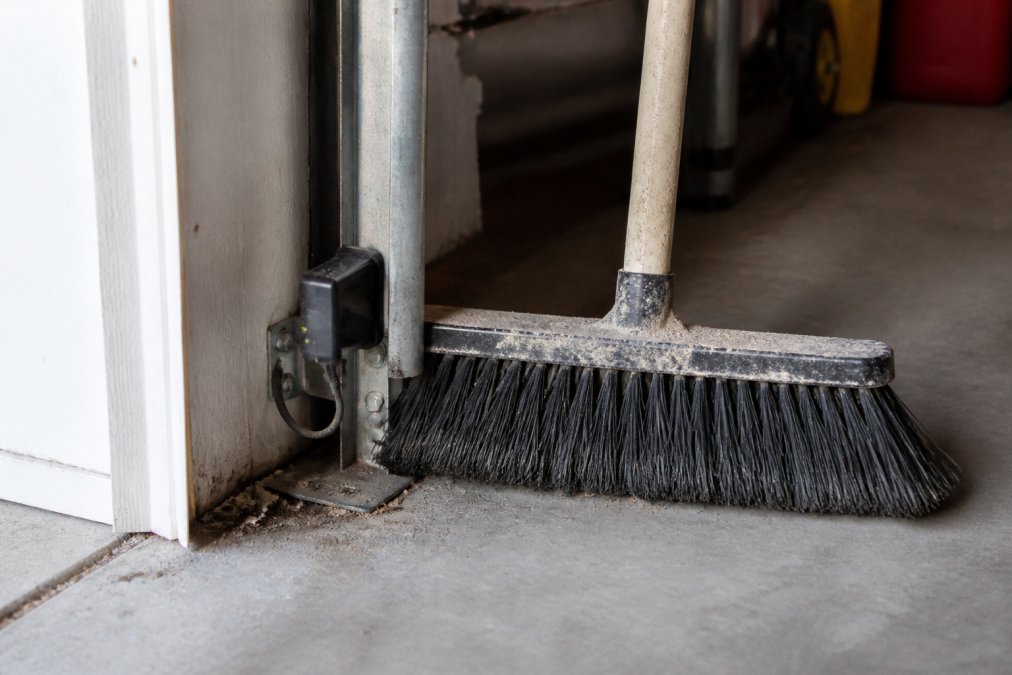
Clean the concrete threshold thoroughly before winter. Remove dirt, debris, and algae growth. These materials trap moisture and promote ice formation.
Preventative Maintenance Schedule
Create a maintenance calendar starting in September. Mark these tasks:
- September: Clean concrete, inspect weather stripping, test manual release
- October: Replace damaged stripping, lubricate all moving parts, check threshold seal
- November: Final inspection, apply fresh lubricant, test door operation
- December-February: Monthly lubrication, weekly visual checks, clear snow immediately
- March: Spring inspection, clean tracks, assess wear on seals
Snow and Ice Removal From the Door and Threshold
Snow and ice accumulation at the threshold is the primary cause of freeze-ups. Remove it before it becomes a solid block.
Safe Snow Clearing Techniques
Clear snow from the bottom of the door after each snowfall. Use a plastic shovel, not metal. Metal scrapes the door and can puncture the rubber seal.
Using Sand and Salt Properly
Sand improves traction but doesn't prevent ice formation. Spread sand on the concrete in front of the door to prevent slipping. It won't stop freeze-ups, but it prevents falls while you're working.
Temperature Control and Insulation Options
Maintaining a consistent garage temperature prevents many freeze-up problems. A warmer garage means less moisture condenses at the threshold.
Garage Heaters and Thermal Insulation
A garage heater reduces moisture and keeps temperatures above freezing. Radiant heaters work well because they warm objects and surfaces directly, not just air. This dries the concrete and prevents ice formation.
Material Compatibility and Smart Home Integration
Check that your heater won't damage garage door materials. Most modern heaters operate safely around rubber seals and aluminum tracks. Older heaters with open flames pose risks and should be avoided.
| Maintenance Task | Timing | Frequency | Impact |
|---|---|---|---|
| Clean concrete threshold | Fall | Once | Removes moisture traps |
| Replace weather stripping | Fall/Spring | Every 3-5 years | Prevents ice formation |
| Apply silicone lubricant | Monthly | September-March | Reduces friction, prevents freeze-ups |
| Clear snow from threshold | After each snowfall | As needed | Stops ice accumulation |
| Test manual release | Monthly | September-March | Ensures emergency access |
| Inspect seals for damage | Monthly | September-March | Catches problems early |
Frequently Asked Questions
What should I put on the bottom of a garage door to prevent freezing?
Apply a rubber gasket or vinyl seal to the bottom retainer of your door. These weather strips create a barrier against moisture and ice buildup. For extra protection, install a threshold seal on the concrete floor beneath the door. Silicone-based lubricants on the door's moving parts also reduce friction that can trap moisture and freeze. Check seals monthly during winter to ensure they remain intact and properly seated against the concrete.
How do I unstick a frozen garage door safely?
First, stop trying to force it open, this risks damaging the door or opener. Use heat tape or a hair dryer to gently thaw the ice seal around the door's perimeter. Apply heat for 10-15 minutes at a time. Once thawed, manually release the door using the emergency cord if the opener won't engage. If the door remains stuck, clear snow and ice from the threshold and concrete floor beneath it. Never use salt directly on rubber seals, as it causes deterioration; use sand for traction instead.
What's the best garage door weather seal for winter?
Silicone-based rubber gaskets and vinyl seals perform best in cold climates. They remain flexible in freezing temperatures, unlike older foam seals that harden and crack. A bottom retainer with a quality rubber gasket prevents ice buildup where the door meets the concrete. For maximum protection, combine the bottom seal with weather stripping along the door's sides and top. Replace seals every 2-3 years or when you notice cracks, gaps, or visible deterioration.
Can cold weather damage my garage door opener?
Yes. Cold temperatures thicken lubricants in the opener mechanism, reducing its efficiency and straining the motor. Ice accumulation on the door itself adds weight, forcing the opener to work harder. Moisture and condensation inside the garage can corrode metal components. Prevent damage by lubricating moving parts with silicone spray before winter, maintaining proper weather seals to reduce moisture, and ensuring the door moves freely. If your opener struggles to open the door, stop using it and call for professional inspection.