 how-to
How to Lubricate Garage Door Tracks: Step-by-Step
Table of Contents
- Why Lubricating Garage Door Tracks Matters
- Tools and Materials You'll Need
- Safety Precautions and Power Disconnection
- How to Clean Garage Door Tracks Before Lubricating
- Step-by-Step Guide to Lubricating Your Garage Door Tracks
- Choosing the Best Garage Door Lubricant Spray
- How to Prevent Garage Door from Freezing to Concrete in Winter
- Testing Door Operation and Troubleshooting Uneven Movement
Last Updated: August 30, 2026
Why Lubricating Garage Door Tracks Matters
Regular lubrication of garage door tracks is one of the simplest yet most overlooked maintenance tasks a homeowner can perform. When tracks, rollers, hinges, and springs operate without proper lubrication, friction builds up and parts wear faster. Most homeowners don't think about their garage door until something breaks, by then, costly damage has occurred.
At American Eagle Garage Doors LLC, we've seen countless garage doors that could have avoided expensive repairs with just a few minutes of preventative maintenance each year. Proper lubrication reduces noise, extends component lifespan, and ensures smooth, balanced operation. This guide walks you through the exact process of lubricating your garage door tracks, rollers, hinges, springs, and lift arm, covering the tools you need, safety steps you must take, and the specific lubricants that actually work.
Tools and Materials You'll Need
Essential tools:
- Ladder or step stool
- Screwdriver set (Phillips and flathead)
- Wrench or socket set
- Wire brush or stiff brush
- Clean cloth or rag
- Safety glasses
- Work gloves
Lubricants and cleaning supplies:
- Silicone spray lubricant (best for tracks and rollers)
- Lithium-based grease (for hinges and hinge pins)
- Degreaser or general-purpose cleaner
- Dry lubricant (optional)
Silicone spray is ideal for tracks and rollers because it reduces friction without attracting dirt and debris (nist.gov). Lithium-based grease works well for hinges and pins because it stays in place longer and provides sustained lubrication under load (astm.org). Avoid WD-40 or general-purpose oils, they're too thin and wash away quickly.
Safety Precautions and Power Disconnection
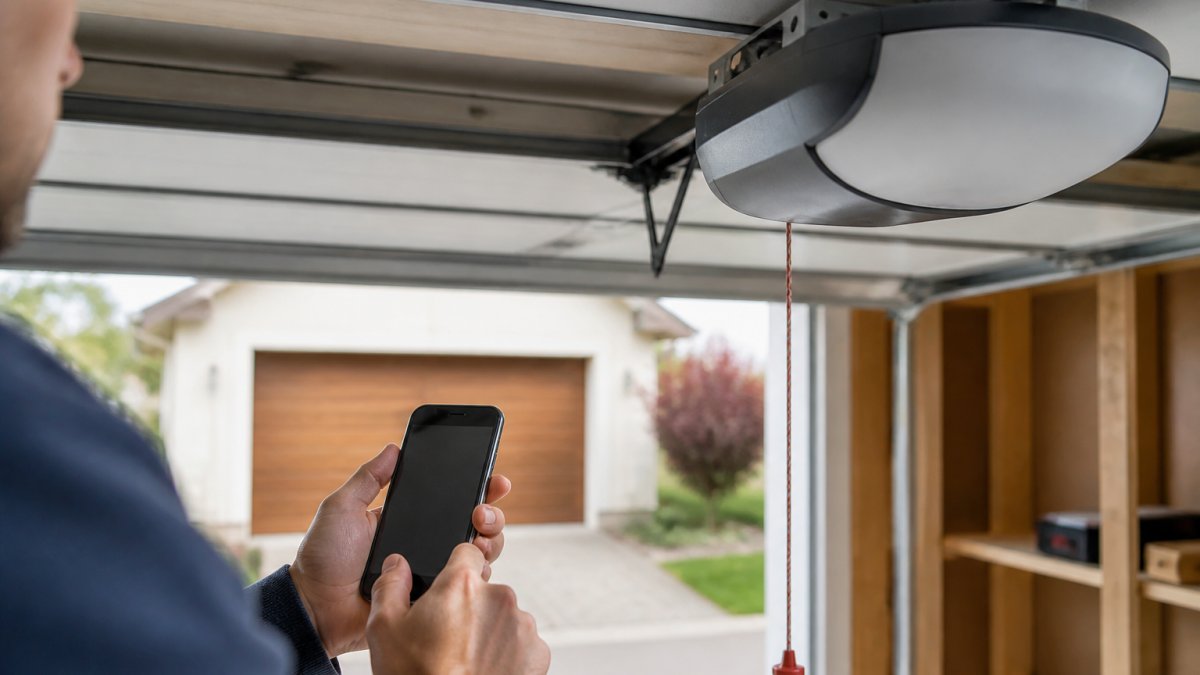
Before touching anything on your garage door, disconnect the power to the opener. Garage door openers store energy in torsion springs and extension springs under tremendous tension (the CDC). If the door is accidentally triggered while you're working, it can close with enough force to cause serious injury.
Steps to disconnect safely:
- Unplug the garage door opener from the electrical outlet
- If hardwired, turn off the circuit breaker that controls it
- Manually test the door by pulling the emergency release handle (the red cord)
- The door should move freely by hand without resistance from the opener motor
Keep the power disconnected for the entire time you're lubricating and inspecting.
How to Clean Garage Door Tracks Before Lubricating
Lubrication only works on clean surfaces. Dirt, dust, and old residue create a paste that increases friction rather than reducing it.
Inspect the tracks visually for debris accumulation, rust spots, or visible corrosion. The horizontal track especially tends to collect dust and small debris.
Remove loose debris using a wire brush to scrub the inside of the track where the rollers roll. Brush firmly but avoid gouging the metal.
Wipe down with a cloth to remove all dust. If the cloth comes out dirty, make another pass. You want bare metal visible.
Use degreaser for stubborn residue if you see thick, sticky buildup from old lubricant or corrosion. Spray, let sit for a minute, scrub with the brush, then wipe clean.
Once the tracks are clean and dry, you're ready to lubricate.
Step-by-Step Guide to Lubricating Your Garage Door Tracks
Step 1: Inspect and Clean the Rollers and Bearings
Visually inspect each roller for flat spots, cracks, chips, or visible rust. Use the wire brush to gently scrub around each roller, removing dust or debris. Let the roller spin freely as you brush.
Step 2: Apply Lubricant to the Hinges and Hinge Pins
Apply lithium-based grease directly to each hinge pin, a small dab per pin is sufficient. Wipe away excess so it doesn't attract dirt. Work your way down the door, lubricating every visible hinge.
Step 3: Lubricate the Rollers and Bearing Plates
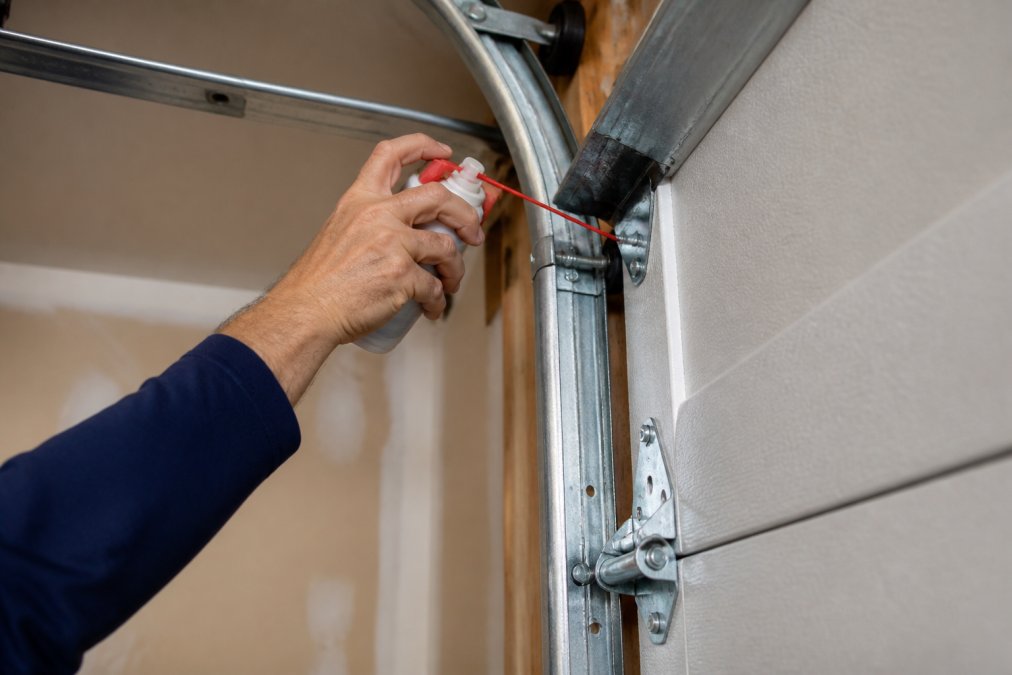
Spray silicone lubricant directly onto the roller bearing plates, the metal brackets that hold the rollers in place. A light coating is all you need. Spray a small amount on each side of the roller where it meets the bearing plate, then wipe away excess immediately.
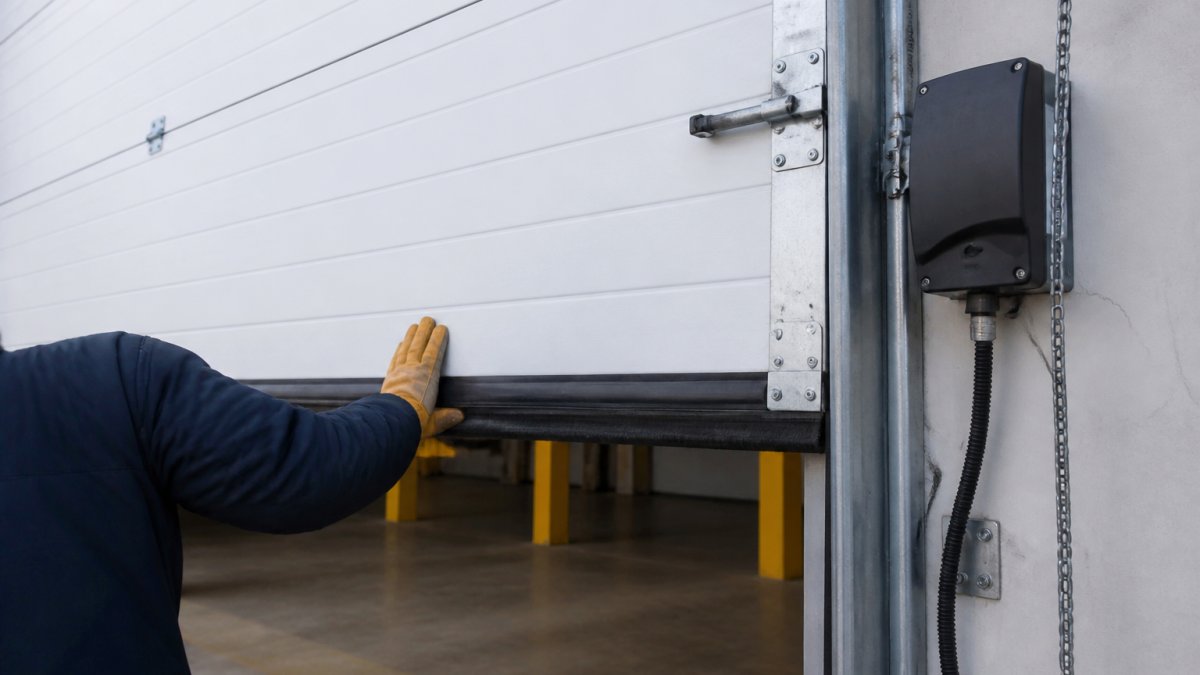
After lubricating, manually roll the door up and down a few inches to work the lubricant in.
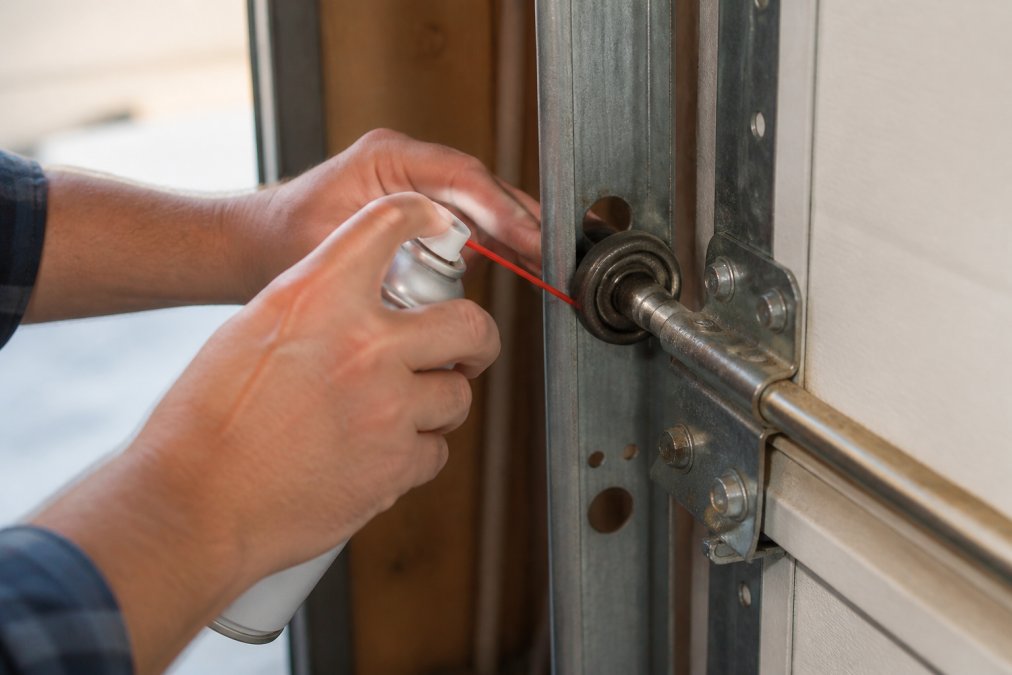
Step 4: Treat the Torsion and Extension Springs
Torsion springs run horizontally above the door; extension springs run along the sides. Apply a light coat of silicone spray along the length of each spring. Do not attempt to remove or adjust springs, they're under tremendous tension and can cause serious injury. Simply spray the exterior surface and wipe away excess.
Step 5: Apply Lubricant to the Lift Arm and Drive Rail
Spray silicone lubricant along the lift arm where it connects to the door and where it meets the carriage. Apply lubricant to the drive rail, focusing on areas where the carriage trolley makes contact. Wipe away excess residue.
Step 6: Wipe Down Excess Residue
After lubricating all components, take a clean cloth and wipe down any excess lubricant. Excess lubricant attracts dust and creates a sticky film that increases friction over time. The goal is a thin, even coat on all moving parts.
Choosing the Best Garage Door Lubricant Spray
Silicone spray is the best choice for garage door tracks. It reduces friction without attracting dirt and doesn't harden or gum up over time. It's temperature-stable and performs consistently in both hot and cold conditions.
Lithium-based grease works best for hinges and pins. It stays in place longer than spray lubricants and provides sustained lubrication under load. The thicker consistency won't drip or wash away, and it resists corrosion.
Avoid these lubricants:
- WD-40 and penetrating oils are too thin and evaporate quickly
- Heavy machine oil or 3-in-1 oil attracts dirt and creates sticky buildup
- Grease on tracks accumulates debris and makes rollers work harder
- Automotive lubricants contain additives unsuitable for garage door hardware
Use silicone spray for tracks, rollers, bearing plates, springs, lift arm, and drive rail. Use lithium grease for hinges and hinge pins.
How to Prevent Garage Door from Freezing to Concrete in Winter
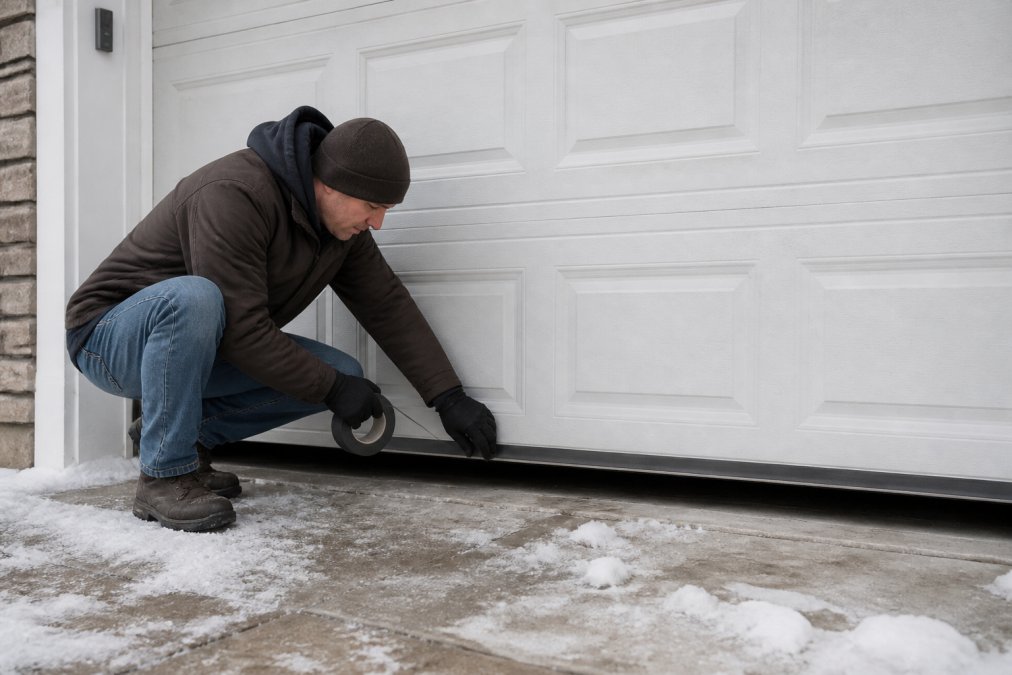
Winter brings a unique challenge: moisture can freeze between the door's bottom seal and the concrete threshold, freezing the door shut.
Inspect your weatherstripping. The rubber seal at the bottom should make firm contact with concrete. Replace damaged weatherstripping before winter.
Apply lubricant to the bottom seal. A light coat of silicone spray helps water bead up and run off rather than pooling.
Keep the threshold clear. Snow and ice buildup traps moisture. Clear away snow and ice regularly after storms.
Ensure proper drainage. The concrete should slope slightly away from the door, allowing water to drain.
Lubricate the lift arm and springs. A light coat of silicone lubricant helps prevent ice buildup on these components.
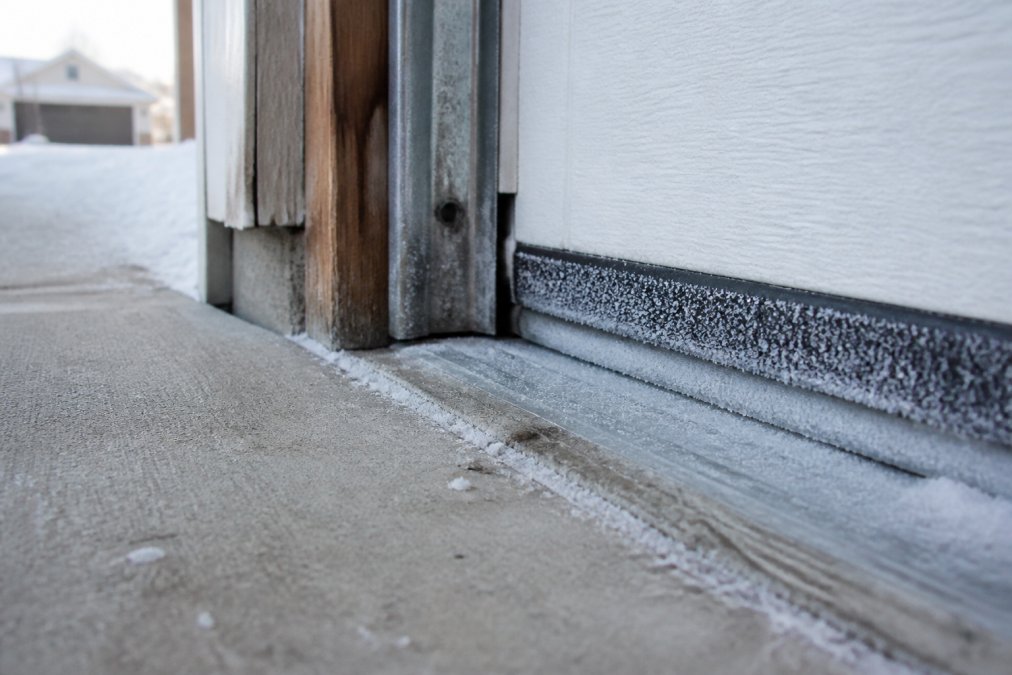
If your door does freeze, never force it open. Apply heat gently with a heat lamp or warm water to melt the ice gradually. Once free, lubricate immediately to prevent refreezing.
Testing Door Operation and Troubleshooting Uneven Movement
After lubricating, test your door to ensure everything is working smoothly. Reconnect the power and perform a full cycle test.
Run the door through a complete cycle. Open it fully, then close it fully. Listen for squeaking, grinding, or unusual noises. The door should move smoothly and evenly without pausing or hesitation.
Check for balanced operation. A properly balanced door moves at a steady pace. If the door accelerates as it closes or decelerates unevenly, the springs may be out of balance or rollers need additional lubrication.
Common issues and fixes:
If the door moves unevenly, inspect both sides carefully and lubricate any dry areas. Check each roller to ensure it spins without resistance.
If the door is jerky after lubrication, a roller may be damaged or tracks misaligned. Look for flat spots on rollers or visible track damage. Contact a professional if you see damage.
If noise persists, the problem may be worn bearings inside the rollers themselves. Lubrication can't fix worn bearings, they need replacement by a professional.
If the door closes too quickly or with a bang, the torsion springs may be losing tension. This is a safety issue. Call a professional immediately.
Regular lubrication prevents most issues from developing. A properly lubricated door every 6-12 months will operate smoothly for years.
Garage door problems often start small, a little squeak, a slight hesitation. By the time the door stops moving entirely, significant damage has occurred. The solution is preventative maintenance, and lubrication is the easiest, most cost-effective task you can perform.
American Eagle Garage Doors LLC helps homeowners and business owners in Greeley and Evans keep their doors operating smoothly with expert maintenance guidance and professional repair services when needed. If your door isn't responding to lubrication or shows signs of deeper damage, worn rollers, misaligned tracks, or failing springs, we offer free estimates and prompt, professional service. Contact us today to schedule an inspection and experience the difference expert care makes.
Frequently Asked Questions
What is the best lubricant to use on garage door tracks?
Silicone spray and lithium-based grease are the most effective options for garage door tracks. Silicone spray works well for general lubrication and reduces friction without attracting dirt. Lithium-based grease provides longer-lasting protection and is ideal for hinges, hinge pins, and bearing plates. Avoid WD-40, which is a penetrating oil that doesn't provide lasting lubrication and can attract debris. Always check your garage door opener manufacturer's recommendations before applying any lubricant.
How often should you lubricate garage door tracks?
Lubricate your garage door tracks every 6 to 12 months for residential doors with normal use. High-traffic commercial doors may need lubrication every 3 to 6 months. In harsh winter conditions, apply lubricant before the cold season begins to prevent corrosion and freezing. Visual inspection is key, if you notice squeaking, grinding noises, or sluggish movement, it's time to lubricate regardless of the schedule.
Can improper lubrication damage a garage door opener?
Yes. Using the wrong lubricant or applying too much can damage your garage door opener and system. Excess residue attracts dirt and debris, which accumulates on rollers and track alignment, causing increased friction and strain on the motor. Never use grease on nylon rollers, as it can degrade the material. Synthetic lubricants and dry lubricants are safer choices for most modern openers. When in doubt, consult your opener's manual or contact a professional.
What are the signs that your garage door tracks need maintenance?
Watch for squeaking, grinding, or squealing sounds during operation. Uneven door movement, where one side rises faster than the other, indicates track misalignment or inadequate lubrication. Visible rust, corrosion, or debris buildup on the tracks and rollers are clear signs of neglect. Sluggish or jerky door movement also suggests friction from dry hinges, bearing plates, or rollers. Regular visual inspection using a flashlight helps catch these issues early before they affect safety sensors or the emergency disconnect mechanism.
This article was written using GrandRanker