 how-to
New Garage Doors Installed: A 2026 How-To Guide
Table of Contents
- What to Expect When Getting New Garage Doors Installed
- Types of Garage Doors and Materials
- Average Cost of Garage Door Installation
- Garage Door Replacement Timeline: What to Plan For
- Hiring Professional Garage Door Installers: What to Look For
- DIY vs. Professional Garage Door Installation
- After Installation: Maintenance, Warranties, and Disposal
- Conclusion
Last Updated: August 28, 2026
What to Expect When Getting New Garage Doors Installed
Getting new garage doors installed is one of the highest-impact home improvement projects you can make, and it's also one of the most misunderstood. At American Eagle Garage Doors LLC, we've walked homeowners through this process, and the same questions come up every time: What does the crew actually do when they arrive? How long will it take? Do I need a permit?
This guide answers all of that directly, without the vague estimates and glossed-over details you'll find elsewhere. Below, we'll cover everything from material types and energy efficiency ratings to opener compatibility, disposal of your old door, and what separates a reliable installer from one who leaves you with alignment problems six months later.
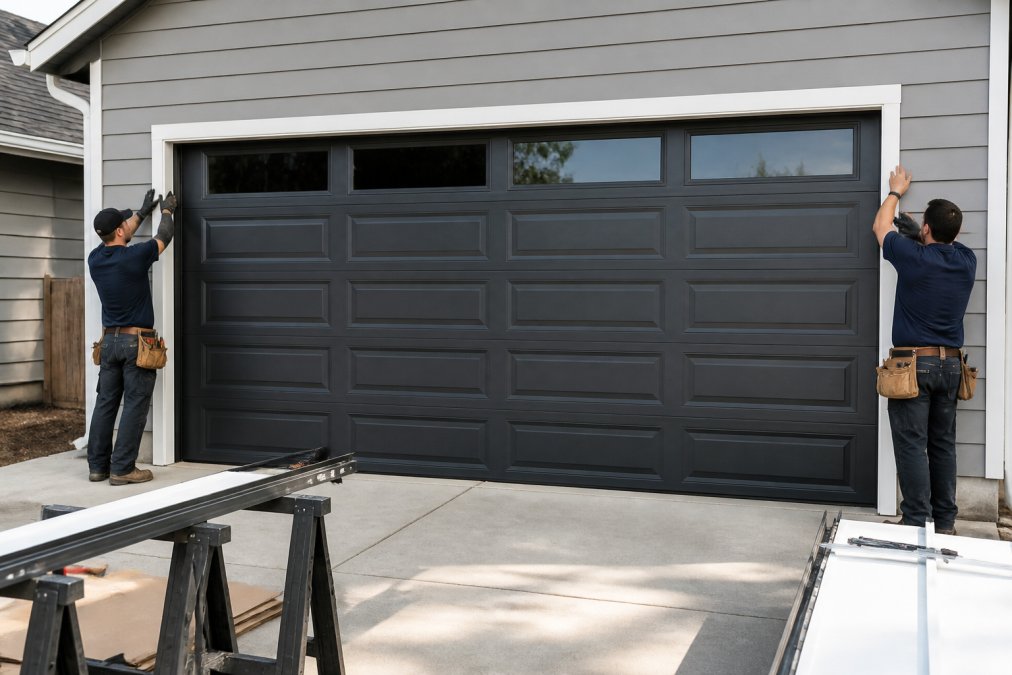
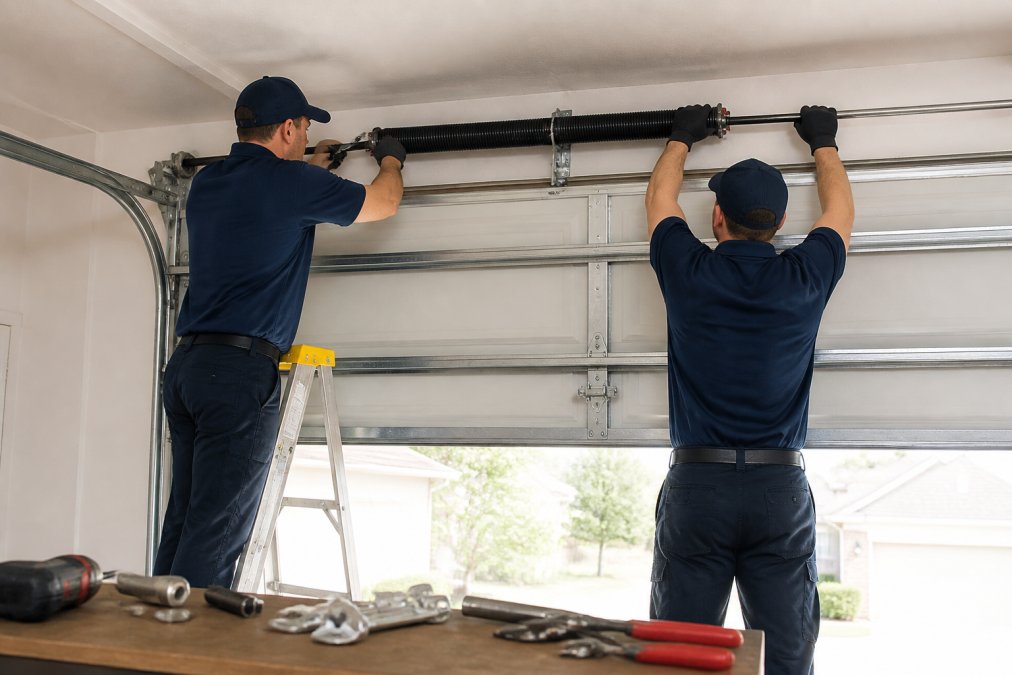
Professional garage door installation is not a drop-in-and-go job. Done right, it involves assessing your structural opening, removing and safely disposing of the existing door, installing new track hardware, calibrating spring tension, and testing every safety sensor before the crew leaves your property.
What's Included in a Professional Installation
A standard residential garage door installation typically covers removal of the old door and hardware, delivery and installation of the new door panels, track alignment, torsion spring or extension spring setup, weather stripping around the perimeter, and a full safety check. Opener installation is sometimes included and sometimes quoted separately, so confirm this before signing any agreement.
What most guides miss is that track alignment and spring tension calibration are the steps that determine long-term reliability. A door that's slightly off-track or under-tensioned will wear prematurely and create safety risks.
Permit Requirements You Should Know
Permit requirements for garage door replacement vary by municipality. Replacing a like-for-like residential garage door generally does not require a permit in most jurisdictions. However, structural modifications, such as widening the opening or changing the header configuration, almost always do.
According to the International Code Council's residential construction guidelines, any work that alters the structural framing of a building opening typically triggers a permit requirement. Check with your local building department before scheduling installation if you're making any structural changes. Skipping this step can complicate a future home sale or homeowner's insurance claim.
Types of Garage Doors and Materials
Choosing the right door material is where most homeowners underinvest their attention. The decision affects insulation performance, maintenance demands, curb appeal, and long-term durability.
Steel and Aluminum Doors
Steel is the most common material for residential garage doors, and for good reason. Steel doors are durable, low-maintenance, and available across many price points. They hold paint well and resist denting better than aluminum at comparable gauges. Thicker-gauge steel panels offer better structural integrity and a more solid feel.
Aluminum doors are lighter and naturally rust-resistant, making them a practical option in high-humidity environments. The trade-off is that aluminum dents more easily than steel and typically offers lower insulation values unless you select an insulated aluminum model. For a double door on a detached garage, the weight savings with aluminum can also reduce wear on the opener motor over time.
Wood Composite and Carriage House Styles
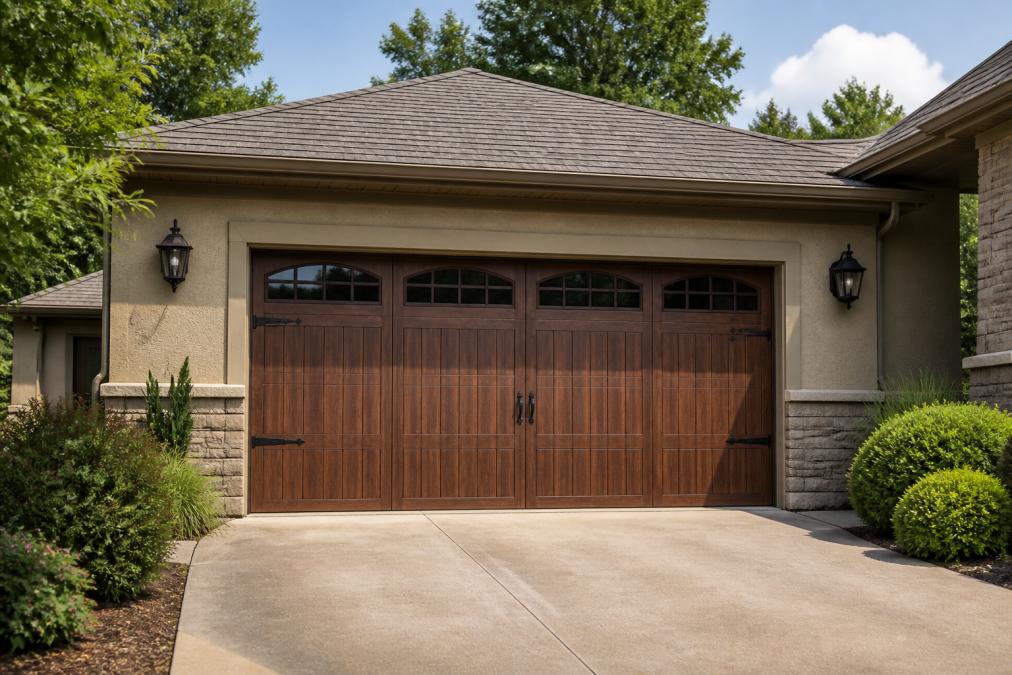
The carriage house style is the most requested aesthetic upgrade in residential garage door replacement right now. It delivers the look of traditional swing-out barn doors while operating as a standard overhead door, which means no changes to your opener or track system.
Wood composite panels are the most popular material for carriage house designs. They resist warping and cracking better than solid wood, require less maintenance, and take paint or stain well. Solid wood doors offer unmatched visual richness but demand regular sealing and are sensitive to moisture fluctuations. A common mistake is choosing solid wood for a door that gets direct afternoon sun without budgeting for the annual maintenance that protects it.
Insulated Doors and Energy Efficiency Ratings
R-value is the standard measure of a garage door's thermal resistance. A higher R-value means better insulation. For an attached garage that shares a wall with living space, insulation matters significantly: an uninsulated or poorly insulated door can account for meaningful heat loss in winter and heat gain in summer.
According to the U.S. Department of Energy's home insulation guidance, insulating attached garages is one of the more cost-effective ways to improve whole-home energy efficiency. Insulated garage doors are available in single-layer, double-layer, and triple-layer constructions. Triple-layer doors with polystyrene or polyurethane cores offer the highest R-values and also tend to operate more quietly. If your garage doubles as a workshop or living space, prioritize R-value alongside material choice.
Average Cost of Garage Door Installation
Pricing for garage door installation depends on several variables, and any number you see online should be treated as a rough orientation, not a quote. American Eagle Garage Doors LLC offers free estimates, which is the only accurate way to determine what your specific project will cost.
Factors That Affect the Final Price
Several variables drive the final price of a garage door installation:
| Factor | How It Affects Cost |
|---|---|
| Door size (single vs. double) | Double doors require more material and longer labor time |
| Material choice | Steel is typically lower cost than wood composite; aluminum varies |
| Insulation level | Triple-layer insulated doors cost more than single-layer |
| Custom sizing or design | Non-standard openings and custom hardware add to labor costs |
| Opener installation | Adding or upgrading an opener is usually a separate line item |
| Spring type (torsion vs. extension) | Torsion spring systems generally cost more but last longer |
| Disposal of old materials | Some installers include this; others charge separately |
Labor costs vary by region and installer. The complexity of the opening, including header height and headroom clearance, also affects how long installation takes and therefore what you'll pay. Always confirm whether your estimate includes hardware, springs, and weatherstripping, or whether those are add-ons.
Garage Door Replacement Timeline: What to Plan For
The garage door replacement timeline from first contact to completed installation typically runs three to seven business days for in-stock doors. Custom doors, including non-standard sizes or specialty finishes, can extend that to several weeks depending on the manufacturer's lead time.
On installation day itself, a standard single-door replacement generally takes two to four hours. A double door or a project involving opener installation and remote programming typically runs four to six hours. Plan to have the garage clear of vehicles and accessible for the full day.
Here's the sequence most professional installations follow:
- Crew arrives and assesses the opening, header, and existing hardware
- Old door panels, tracks, and springs are removed and set aside for disposal
- New track system is mounted and leveled
- Door panels are assembled and hung in the track
- Torsion springs or extension springs are installed and tensioned
- Opener is connected and remote programming is completed
- Safety sensors are installed, tested, and aligned
- Weatherstripping is fitted around the perimeter
- Full operational test is performed before the crew leaves
Hiring Professional Garage Door Installers: What to Look For
The real difference between a smooth installation and a frustrating one comes down to who you hire. Not every garage door company operates at the same standard.
Look for installers who offer written estimates before any work begins, and can demonstrate experience with both residential and commercial garage doors. Sara Shriver, an Evans homeowner, described her experience with American Eagle Garage Doors LLC this way: "Their prices for garage door repair were competitive, their customer service was professional and prompt, and the finished product was exceptional." That combination of responsiveness, fair pricing, and quality outcome is exactly what to hold other providers to.
Ask specifically about warranty coverage on both parts and labor. A company confident in its work will stand behind it in writing.
Opener Compatibility, Smart Home Integration, and Safety Sensors
Opener compatibility is more nuanced than it used to be. If you have an older opener from the mid-2000s, a new door can often be paired with it, but the reverse is not always true: some modern openers require a door with specific hardware configurations.
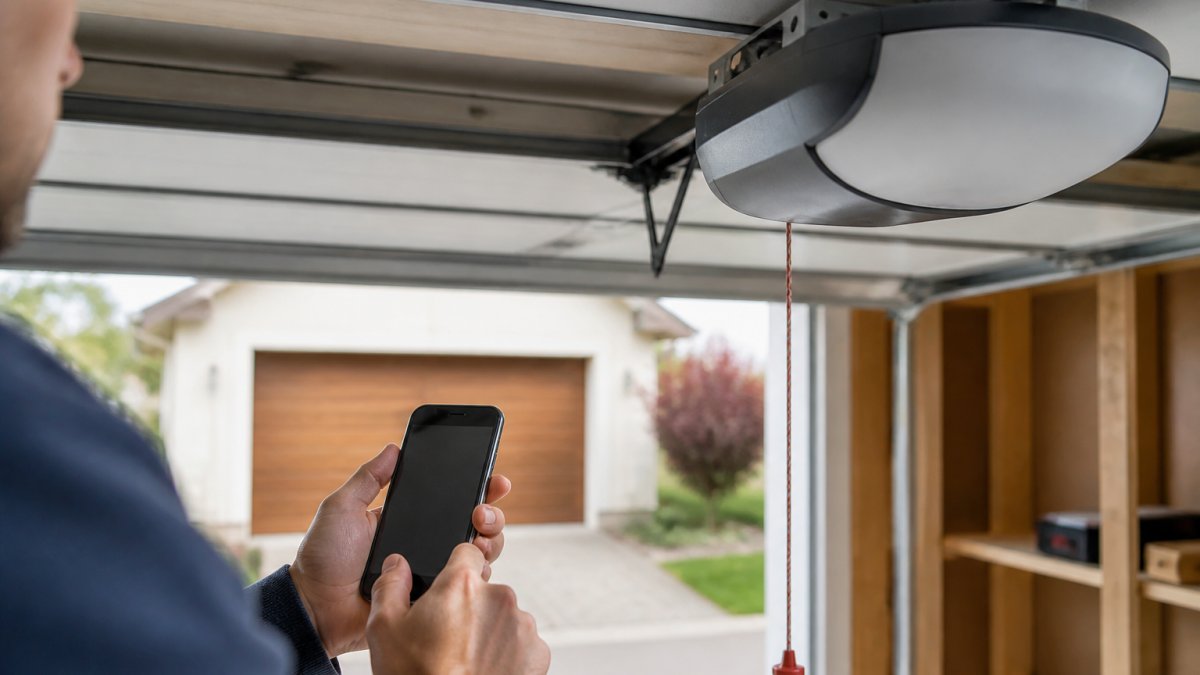
Smart home integration has become a standard expectation in new garage door opener installations. Most current opener models support Wi-Fi connectivity, allowing control through a smartphone app and integration with platforms like Amazon Alexa or Google Home. If smart home integration matters to you, confirm your new opener supports it before installation day.
Safety sensors are non-negotiable on any modern installation. Per the Consumer Product Safety Commission's garage door safety standards, all residential garage door openers manufactured after 1993 are required to include auto-reverse safety sensors. A professional installer will test these sensors before leaving the job site.
DIY vs. Professional Garage Door Installation
Most home improvement projects reward a confident DIYer. Garage door installation is the exception.
The torsion spring system is the reason. Torsion springs operate under extreme tension, storing enough energy to cause serious injury if they release unexpectedly during installation. Professional installers use specialized tools and follow precise procedures to set spring tension safely. This is not a "watch a few videos and figure it out" situation.
Beyond the safety issue, track alignment requires precision that's difficult to achieve without experience. A door that's even slightly misaligned will bind, wear unevenly, and eventually fail. The cost of a professional installation is almost always less than the cost of correcting a DIY job gone wrong.
DIY is reasonable for minor maintenance tasks: lubricating hinges and rollers, replacing weatherstripping, or reprogramming a remote. Full door replacement, spring work, and opener installation belong with a licensed professional.
After Installation: Maintenance, Warranties, and Disposal
A new garage door is a long-term investment. Preventative maintenance is what protects that investment.
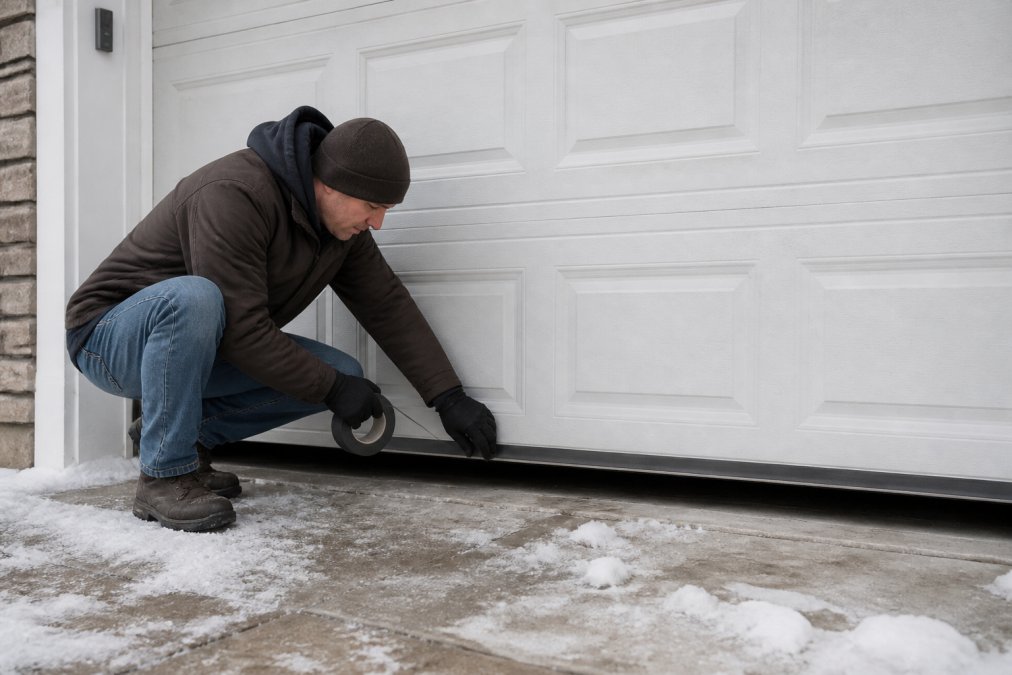
The International Door Association's maintenance recommendations suggest inspecting and lubricating all moving parts, including rollers, hinges, and torsion springs, at least twice per year. Use a silicone-based lubricant rather than WD-40, which attracts dirt and can degrade rubber components over time. Check the weatherstripping seasonally and replace it when it no longer forms a firm seal against the floor.
Warranty coverage varies significantly between manufacturers and installers. Confirm what's covered before installation:
- Door panels: typically covered by the manufacturer for defects in material and finish
- Springs: often warrantied separately; ask whether the warranty covers standard residential use or has cycle limits
- Labor: professional installers should offer a workmanship warranty on the installation itself
On disposal of old materials: ask your installer upfront whether removal and disposal of the existing door and hardware is included in the estimate. Some companies include it as a standard service; others charge separately. Steel and aluminum panels are recyclable, and a responsible installer will dispose of them properly rather than leaving the burden with you.
Conclusion
Replacing a garage door involves more decisions than most homeowners anticipate, from material selection and energy efficiency ratings to opener compatibility, permit requirements, and disposal of the old hardware. American Eagle Garage Doors LLC handles all of it, offering expert installation for both residential and commercial garage doors, free estimates with no obligation, and the kind of prompt, professional service that makes the whole process straightforward. Call us today to schedule your free estimate and get your new garage door installed the right way.
Frequently Asked Questions
Q: How long does a professional garage door installation take?
A: Most residential garage door installations, including a single or double door with opener, take between three and six hours when handled by an experienced crew. Factors like track alignment complexity, torsion spring setup, and remote programming can add time. Custom garage doors or commercial installations may require a full day. Scheduling a professional ensures the job is done correctly the first time, reducing the chance of callbacks or adjustments later.
Q: What should I look for when hiring a garage door installer?
A: Verify the installer is licensed, insured, and experienced with both residential and commercial garage doors. Ask specifically about warranty coverage on parts and labor, whether they handle permit requirements, and how quickly they can respond to emergencies. A reputable installer will offer a free estimate, explain the full scope of work upfront, and be transparent about disposal of your old door and hardware.
Q: What are the benefits of upgrading to an insulated garage door?
A: An insulated garage door improves your home's thermal performance by reducing heat transfer between your garage and living space. Look for doors rated by R-value, higher R-values indicate better insulation. Beyond energy savings, insulated doors tend to be quieter, more dent-resistant, and better at maintaining structural integrity over time. They're especially worthwhile if your garage is attached to the house or used as a workspace.
Q: Are there specific safety standards for residential garage door installations?
A: Yes. Residential garage doors must comply with UL 325, the standard governing automatic garage door openers and safety sensors in the United States. This requires entrapment protection, meaning the opener must auto-reverse when it contacts an obstruction. Torsion springs and extension springs must also be correctly tensioned and secured. A licensed professional will ensure your installation meets these requirements and passes any local permit inspection.
This article was written using GrandRanker