 listicle
Garage Door Opener Repair Cost 2026: Pricing Guide
Table of Contents
- What Affects Garage Door Opener Repair Costs
- Garage Door Opener Repair vs. Replacement: Making the Right Call
- Common Garage Door Opener Problems and Their Repair Costs
- How to Add WiFi to an Existing Garage Door Opener
- Garage Door Maintenance Checklist 2026
- Emergency Repair Service Costs and Response Times
- DIY vs. Professional Repair: Cost and Risk Analysis
- Frequently Asked Questions
Last Updated: August 31, 2026
What Affects Garage Door Opener Repair Costs
The cost of repairing your garage door opener depends on several interconnected factors. The primary cost driver is the type of problem: a simple remote programming issue costs far less than motor failure or logic board replacement. The age of your opener matters significantly; parts for systems over 15 years old become harder to source and more expensive. Brand availability also plays a role, as some manufacturers have readily available components while others require special orders that add labor time and shipping costs.
Your location influences pricing because service call fees and labor rates vary regionally. Emergency service requests carry premium charges compared to scheduled appointments. The complexity of your opener's system affects repair time; direct drive openers typically cost less to service than chain drive or belt drive systems. The condition of surrounding components matters too, if your torsion spring or extension spring is failing, that damage might have stressed the motor or logic board, requiring additional repairs. Professional service eliminates labor charges but DIY introduces risk of injury or further damage. Preventative maintenance costs less upfront than emergency repairs.
Garage Door Opener Repair vs. Replacement: Making the Right Call
Deciding whether to repair or replace your garage door opener requires weighing repair cost against replacement expense and the opener's remaining useful life. The 50% rule offers practical guidance: if repair costs exceed half the price of a new opener, replacement often makes financial sense (the CDC). However, if your opener is relatively new and the problem is isolated, repair is usually the right choice. If your system is over 12 years old and experiencing its first major failure, replacement becomes more attractive because additional problems likely follow.
Compatibility and parts availability influence this decision significantly. Older openers from discontinued product lines may require custom parts that cost nearly as much as replacement. Consider your home's resale value, a newer garage door opener with current safety features appeals to buyers more than an older system. If you're planning to sell within five years, replacement might be the better investment. The warranty situation also matters: if your opener is still under warranty, repair is typically free or low-cost. Emergency situations sometimes force replacement decisions, as professional technicians can often install a new opener the same day.
Common Garage Door Opener Problems and Their Repair Costs
Different garage door opener problems present distinct repair challenges and cost implications.
Motor and Logic Board Failures
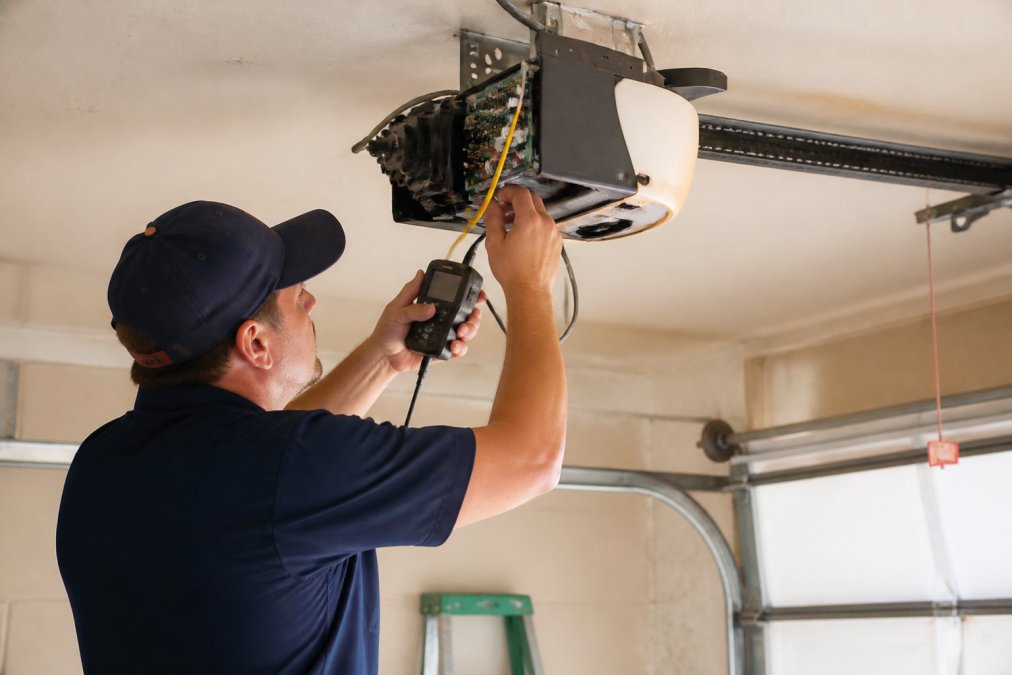
The motor is your opener's engine, and when it fails completely, the entire system stops functioning. Motor failure usually results from age, overuse, or inadequate maintenance. Logic boards control the opener's operation and safety features, managing force settings, travel limits, safety sensor communication, and remote signals. When a logic board fails, you lose functionality without obvious external damage. Logic board repair rarely makes sense; replacement is standard practice. Motor problems often stem from inadequate lubrication or excessive cycling.
Safety Sensor and Photo-Eye Alignment Issues
Safety sensors protect against injury by detecting obstructions in the door's path. These photo-eye devices must align precisely to function correctly. Misalignment is one of the most common garage door problems and often the least expensive to fix. Dust, spider webs, or physical bumping can throw sensors out of alignment, causing the door to reverse unexpectedly or refuse to close. Professional photo-eye alignment typically requires minimal time and cost. However, if sensors are damaged rather than misaligned, replacement becomes necessary. Faulty sensors present genuine safety risks.
Spring, Cable, and Pulley Replacements
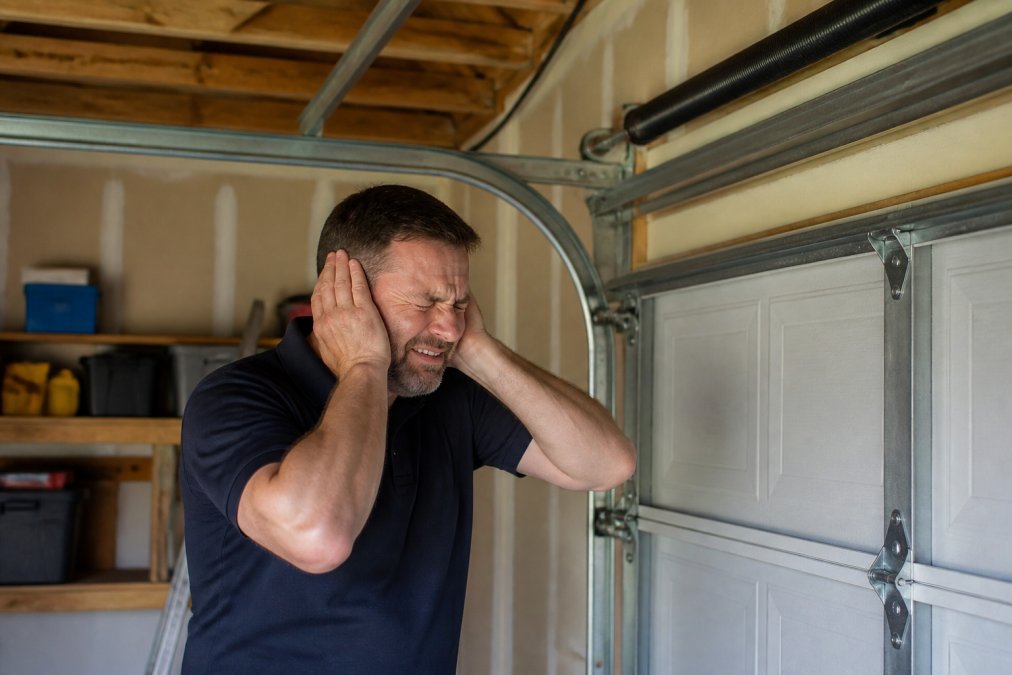
Torsion springs and extension springs support your door's weight and enable smooth operation. Spring failure is dramatic, you'll hear a loud bang, and your door becomes extremely heavy or immobile. Never attempt spring replacement yourself; the tension these springs hold creates serious injury risk. Cable replacement often accompanies spring replacement because cables wear at similar rates. When springs fail, the sudden stress often damages cables and pulleys simultaneously. Professional technicians address all three components during spring service to prevent quick reoccurrence.
How to Add WiFi to an Existing Garage Door Opener
Smart home integration has become standard for new openers, but many homeowners have older systems without WiFi capability. Retrofitting WiFi to an existing garage door opener is possible through aftermarket solutions, though compatibility varies significantly. WiFi retrofit kits attach to your existing opener and enable remote control through smartphone apps. Installation typically requires mounting a control module near your opener and connecting it to your home network.
The retrofit approach offers advantages: you keep your existing opener and avoid full replacement expense. WiFi capability lets you monitor and control your door remotely, receive notifications when it opens or closes, and integrate with broader smart home systems. However, retrofits have limitations, they may not support all features of purpose-built smart openers. Installation difficulty varies by kit, and professional installation ensures proper setup and integration with your home network. If your opener is very old or experiencing other problems, retrofitting WiFi might delay the inevitable replacement.
Garage Door Maintenance Checklist 2026
Preventative maintenance keeps your garage door opener functioning reliably and extends its lifespan.
Monthly Tasks:
- Visually inspect the entire door for visible damage, rust, or wear
- Test the door's balance by disconnecting the opener and manually lifting the door halfway; it should stay level without drifting
- Listen for unusual noises during operation
- Verify that safety sensors are clean and aligned
Quarterly Tasks:
- Lubricate moving parts with appropriate garage door lubricant; avoid WD-40 which attracts dust
- Check all visible fasteners and bolts for tightness
- Test the emergency release mechanism
- Inspect weatherstripping for cracks or deterioration
Annual Tasks:
- Have a professional technician perform a comprehensive tune-up and inspection
- Check force settings and travel limits to ensure safety features work correctly
- Inspect the torsion spring and extension springs for signs of wear or damage
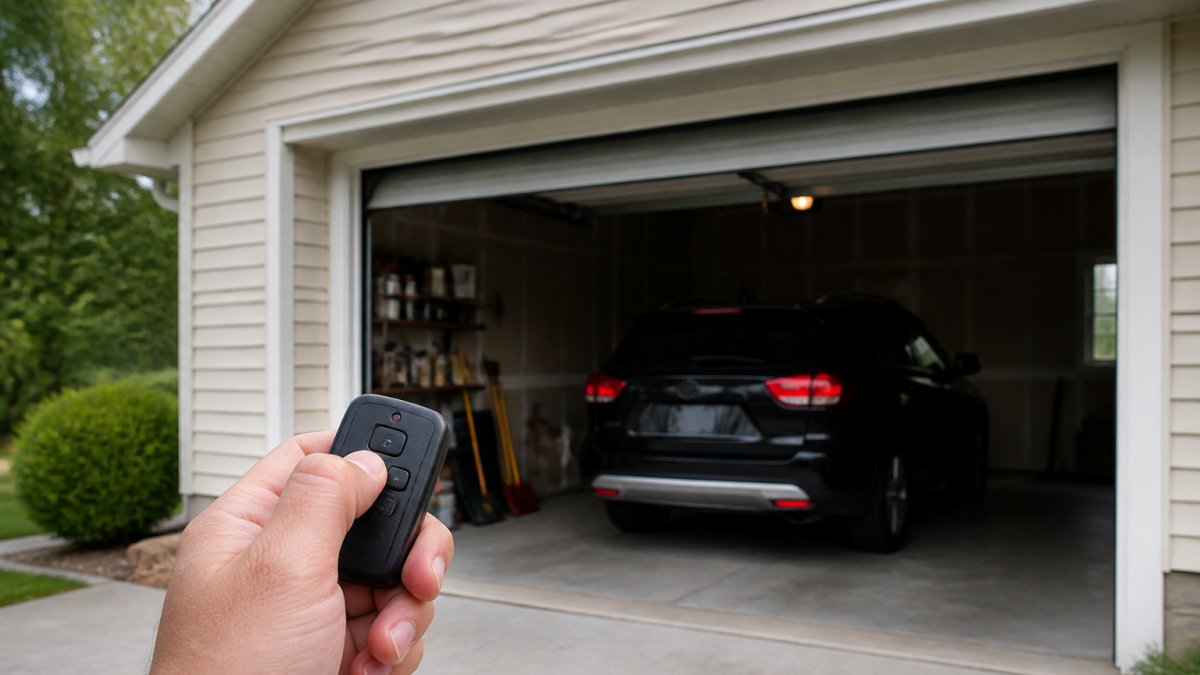
- Test all remote controls and keypads; replace batteries if needed
- Verify that the door opens and closes smoothly without binding
Seasonal Considerations: Winter weather stresses garage doors more than other seasons. Before winter, ensure weatherstripping is intact and all moving parts are well-lubricated. Summer heat can affect lubricants and electrical components. Ensure your opener has adequate ventilation and isn't exposed to direct sunlight that could overheat the motor or logic board.
Emergency Repair Service Costs and Response Times
When your garage door fails unexpectedly, emergency repair service becomes necessary. Emergency service calls carry premium charges compared to scheduled appointments, typically running 50-100% higher than standard rates (the FTC). Response times vary by location and current demand. In busy periods, emergency response might take several hours even with premium charges.
When calling for emergency service, provide clear information about your problem. Is the door completely stuck, moving erratically, or making concerning noises? This information helps dispatchers assign the right technician and ensure they bring appropriate parts. Many emergency failures turn out to be simpler than they initially appear, a tripped safety sensor, dead batteries in the remote, or a blown circuit breaker might be the culprit rather than major mechanical failure.
DIY vs. Professional Repair: Cost and Risk Analysis
The temptation to repair your garage door opener yourself is understandable, but garage door systems present genuine safety hazards that make professional service the better choice for most repairs. Simple tasks like remote battery replacement, sensor lens cleaning, or basic lubrication fall within reasonable DIY territory. However, most garage door problems go beyond these basics.
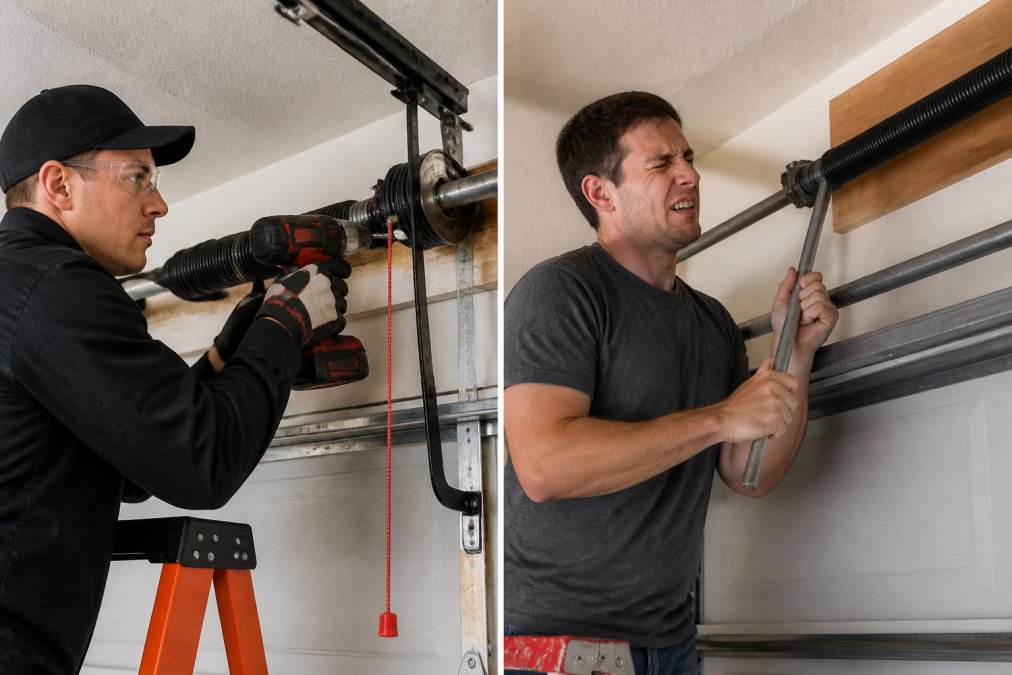
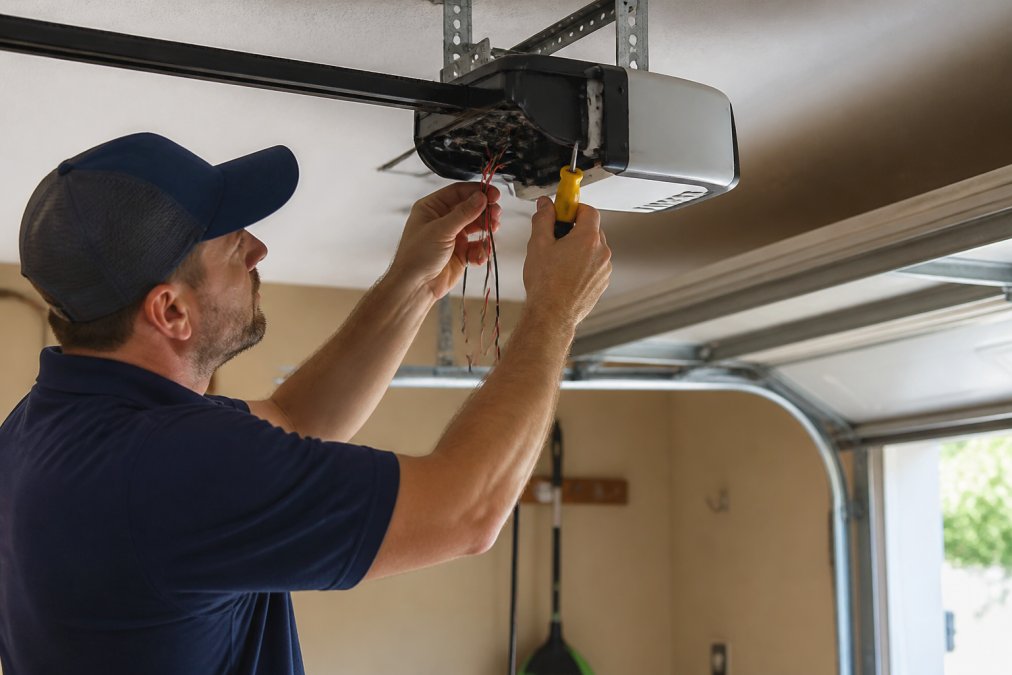
Spring replacement is the clearest example of where DIY becomes dangerous. Torsion springs hold enormous tension, typically equivalent to the weight of a small car (osha.gov). A spring under full tension can cause severe injury or death if it fails unexpectedly during work. Motor replacement, logic board work, and complex electrical troubleshooting require technical knowledge most homeowners lack. Incorrect installation or wiring creates safety hazards and often makes problems worse.
Professional technicians bring diagnostic expertise, specialized tools, and safety knowledge. They identify problems accurately rather than guessing and replacing parts unnecessarily. Professional work comes with warranty coverage, if something goes wrong, they fix it at no additional cost. Insurance and liability protection matter too; if a DIY repair attempt causes injury or property damage, homeowner's insurance typically won't cover it.
Labor costs for professional service run higher than DIY time investment, but the comparison isn't straightforward. Professional technicians complete repairs faster than homeowners attempting unfamiliar work. A repair that might take you four hours takes a professional 45 minutes. Mistakes compound costs significantly, if your DIY attempt damages the logic board or motor, you've converted a $200 repair into a $600+ replacement.
Evaluate each repair opportunity honestly. Can you complete this task safely with tools you have? Do you understand the electrical and mechanical principles involved? For most garage door opener repairs, the answer leads toward professional service. Simple maintenance tasks are reasonable DIY work. Anything involving springs, electrical systems, or force adjustments warrants professional service.
Garage door opener problems don't resolve themselves, and delaying repair often makes situations worse. When your opener fails, you need reliable service that gets your door working safely and keeps it operating dependably. American Eagle Garage Doors LLC provides expert repair and installation services for both residential and commercial garage door openers, handling everything from motor replacement to spring service to smart home integration troubleshooting. Our team delivers prompt, professional service with competitive pricing and free estimates, call us today to get your garage door working again.
Frequently Asked Questions
What is the average cost to fix a garage door opener?
Garage door opener repair costs vary based on the specific problem, parts needed, and labor rates in your area. Service call fees typically apply, and the total depends on whether you need simple adjustments, sensor recalibration, logic board replacement, or motor repair. Contact American Eagle Garage Doors LLC for a free estimate tailored to your situation.
Is it worth repairing a garage door opener, or should I replace it?
Repair makes sense if your opener is under 10-15 years old and the problem is isolated to one component like a sensor, remote, or logic board. Replacement becomes more cost-effective if the motor has failed, the unit is older, or you want smart home integration features. American Eagle Garage Doors LLC can evaluate your opener and recommend the most economical path forward.
Does preventative maintenance really reduce repair costs?
Yes. A garage door maintenance checklist performed annually catches wear on springs, cables, rollers, and hinges before they fail catastrophically. Regular tune-ups help balance the door, adjust force settings, and align safety sensors, which prevents emergency calls and extends your opener's lifespan by years.
What are the most common garage door opener issues that require professional repair?
The most frequent problems are torsion spring breaks, photo-eye misalignment, logic board failures, remote programming issues, and motor wear. Spring replacement, safety sensor alignment, and keypad installation require professional expertise. Attempting these repairs yourself risks serious injury, especially with torsion springs under high tension.
This article was written using GrandRanker