 ultimate-guide
Residential Garage Door Installation: Complete Guide
Table of Contents
- Residential Garage Door Installation: What You Need to Know
- Garage Door Material Comparison Guide
- Insulated vs Non-Insulated Garage Doors
- Garage Door Opener Installation Services
- Average Cost of Garage Door Replacement
- Professional Installation vs DIY: Why Hire an Expert
- Safety Features and Maintenance Checklist for New Installations
- Choosing the Right Installation Service
- Frequently Asked Questions
Last Updated: September 3, 2026
Residential Garage Door Installation: What You Need to Know
When it comes to upgrading your home's functionality and curb appeal, residential garage door installation ranks among the most impactful decisions you'll make. A properly installed garage door operates smoothly for years, enhances security, and can significantly improve your home's exterior appearance. At American Eagle Garage Doors LLC, we understand that choosing the right door and installer matters, it's not just about aesthetics, it's about reliability and long-term performance.
The challenge most homeowners face isn't finding an installer; it's finding one who combines expertise with genuine reliability. Too many contractors overpromise and underdeliver. The right residential garage door installation involves understanding your options, knowing what to expect during the process, and working with professionals who show up when they say they will and deliver exceptional results.
This guide covers everything you need to know about residential garage door installation, from material selection and energy efficiency to safety features and maintenance. Whether you're replacing an aging door or upgrading to something new, you'll find practical insights that help you make the right choice.
Garage Door Material Comparison Guide
Your garage door material determines durability, maintenance requirements, appearance, and long-term value. Each option has distinct advantages depending on your climate, budget, and aesthetic preferences.
Steel Doors: Durability and Value
Steel garage doors dominate the residential market for good reason. They offer exceptional durability, require minimal maintenance, and provide excellent insulation options. Steel doors resist warping, cracking, and rotting, common issues with other materials in varying weather conditions.
A quality steel door typically features multiple layers: an outer steel shell, insulation material in the middle, and a vinyl backing. This construction provides both thermal efficiency and structural integrity. Steel doors come in dozens of styles, from traditional raised-panel designs to modern flush styles that complement contemporary homes.
The main consideration with steel is rust prevention. Quality manufacturers apply protective coatings, but in harsh environments, regular maintenance helps extend the door's life. Steel doors are also heavier, which means they require a properly functioning garage door opener to operate safely and smoothly.
Aluminum and Glass: Modern Aesthetics
Aluminum and glass combinations appeal to homeowners seeking a contemporary look. These doors flood garages with natural light and create a seamless connection between interior and exterior spaces. They're popular in modern architectural designs and homes with large windows.
Aluminum frames are lightweight and naturally corrosion-resistant, making them ideal for coastal or humid climates. However, aluminum alone offers minimal insulation value. Most aluminum-and-glass doors include insulated panels or tempered glass to improve energy efficiency. The glass panels are typically safety-tempered, designed to resist breakage and provide security.
One practical consideration: glass doors require regular cleaning to maintain their appearance, and they offer less privacy than solid doors. They also tend to cost more than steel options, reflecting their premium aesthetic appeal.
Wood and Carriage House Styles: Curb Appeal
Wood and carriage house-style doors deliver unmatched curb appeal and timeless elegance. These doors suit traditional, farmhouse, and luxury home designs. Real wood offers warmth and character that other materials can't replicate.
The trade-off is maintenance. Wood doors require regular staining or painting to protect against weather damage, rot, and insect damage. In humid or wet climates, wood demands more attention. Some manufacturers offer composite wood alternatives that mimic wood's appearance while requiring less maintenance, a practical middle ground.
Carriage house styles, doors that look like vintage barn doors with decorative hardware, have surged in popularity. Many modern versions use steel construction with carriage house styling, delivering the aesthetic appeal without the maintenance burden of real wood.
Insulated vs Non-Insulated Garage Doors
The insulation question often comes down to how you use your garage and your climate. An insulated garage door maintains temperature better, reduces energy costs, and dampens noise from outside traffic and weather.
Non-insulated doors are thinner, lighter, and less expensive. They work fine if your garage is unheated, detached, or used primarily for vehicle storage. However, if your garage connects to your home's living space, or if you spend time working in your garage, insulation becomes worthwhile.
Insulation is measured by R-value, which indicates thermal resistance. Higher R-values mean better insulation. A typical insulated residential garage door ranges from R-8 to R-18, depending on the door's construction and materials (energy.gov). In colder climates or homes where the garage connects to heated living spaces, an R-12 or higher becomes a practical investment.
Insulated doors also reduce condensation buildup, which can damage vehicles and equipment stored in the garage. The added cost of insulation typically pays back through energy savings and improved comfort over several years.
Garage Door Opener Installation Services
Your garage door opener is the workhorse of your system. It needs to be powerful enough to lift your specific door smoothly, reliable enough to operate thousands of times annually, and quiet enough not to disturb your household.
Chain Drive vs Belt Drive: Noise and Performance
Chain drive openers are the traditional standard. They use a metal chain to lift and lower the door, similar to a bicycle chain. Chain drives are durable, affordable, and powerful, they handle heavy doors reliably. The trade-off is noise. Chain drives produce an audible clatter during operation, which matters if your garage is near bedrooms or living spaces.
Belt drive openers use a rubber belt instead of a chain, resulting in significantly quieter operation. Many homeowners find the reduced noise worth the higher initial cost, especially in homes where the garage is close to living areas. Belt drives require less maintenance than chain drives and operate smoothly throughout their lifespan.
Wall-mount openers offer another option, particularly in garages with limited ceiling space or for commercial applications. They mount on the wall beside the door rather than the ceiling, providing easier access for maintenance.
Smart Home Integration and Remote Programming
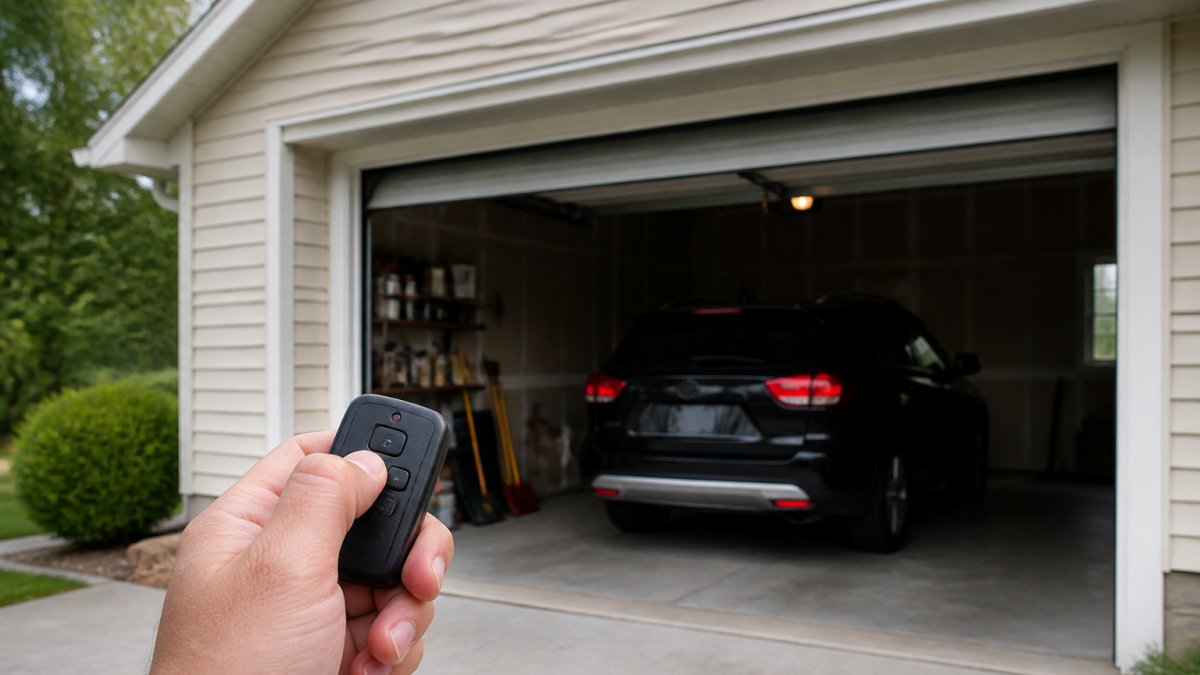
Modern garage door openers increasingly offer smart home compatibility. WiFi-enabled openers let you open or close your door from your smartphone, receive notifications when the door opens, and integrate with home automation systems.
Smart features add convenience and security. You can grant temporary access to contractors or service providers, monitor door status remotely, and receive alerts if the door is left open unexpectedly. Remote programming allows you to adjust opening and closing speeds, set automatic close timers, and customize sensitivity settings without climbing a ladder.
When selecting an opener with smart features, verify compatibility with your home's existing smart home platform, whether that's Apple HomeKit, Google Home, Amazon Alexa, or another system. Some openers work with multiple platforms; others are limited to specific ecosystems.
Average Cost of Garage Door Replacement
Pricing for residential garage door installation depends on multiple factors: the door material and style, insulation level, opener type, and your location. Rather than guessing at costs, the best approach is requesting a free in-home estimate from a qualified installer.
American Eagle Garage Doors LLC provides free estimates that account for your specific situation, your existing door, your home's architecture, your climate, and your preferences. An estimate lets you see actual pricing for your project rather than generic ranges that may not apply to your circumstances.
When comparing quotes, ensure you're comparing equivalent specifications. A budget steel door differs dramatically from a premium insulated carriage house style. The cheapest option isn't always the best value; a quality installation with proper materials typically delivers better long-term performance and reliability.
Professional Installation vs DIY: Why Hire an Expert
Installing a garage door might seem straightforward, but it involves significant risks and technical complexity that make professional installation the right choice for most homeowners.
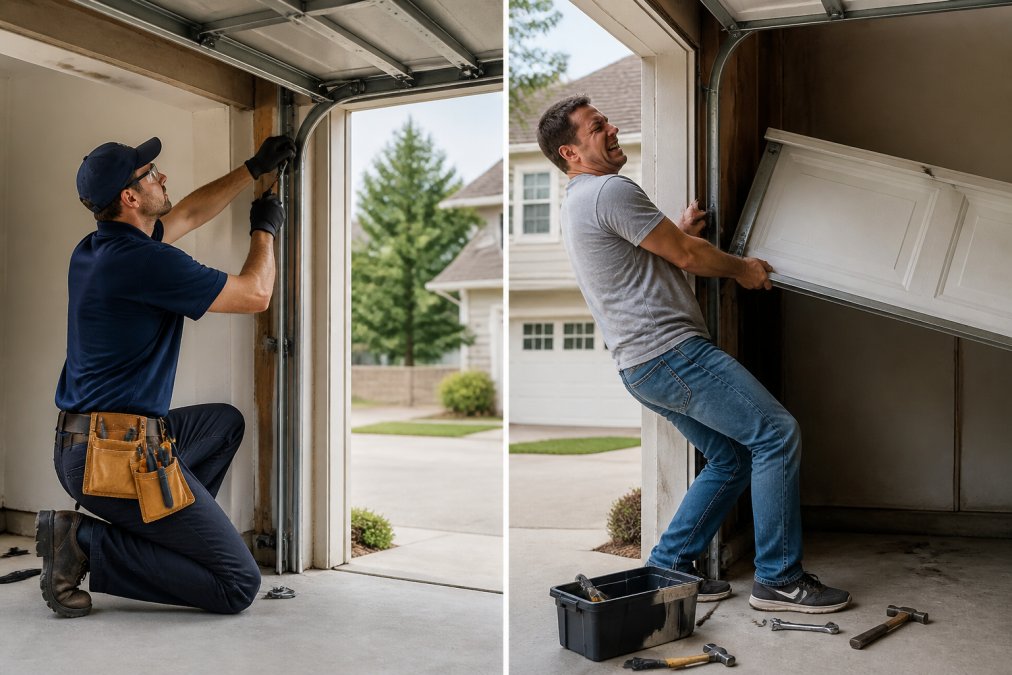
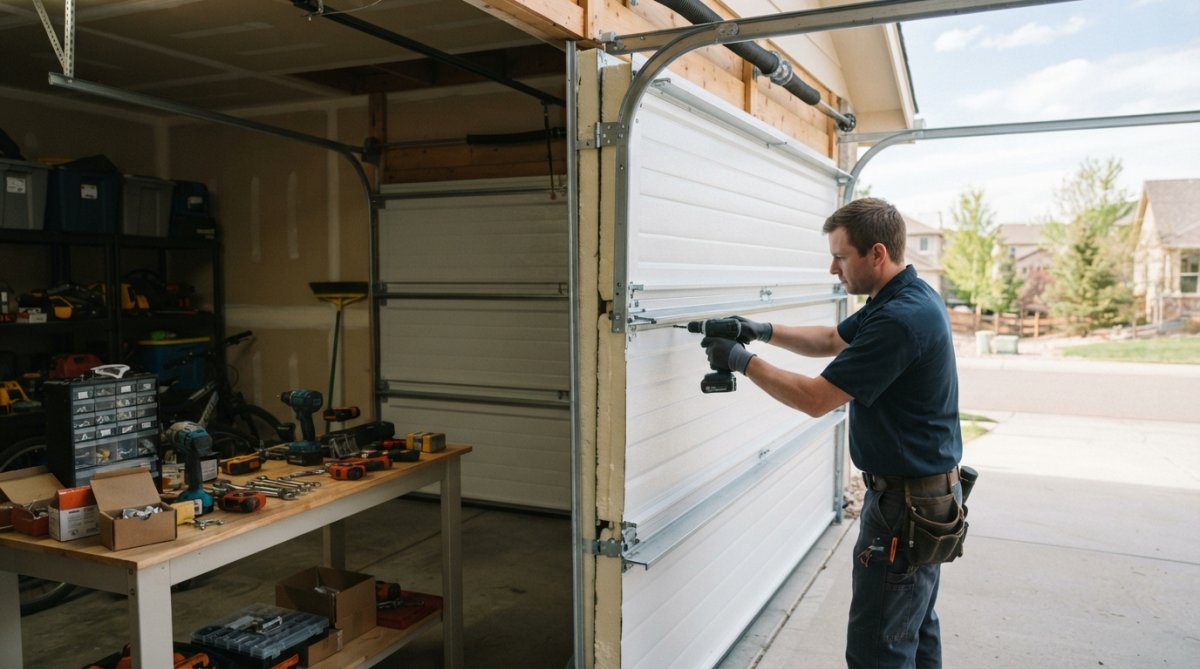
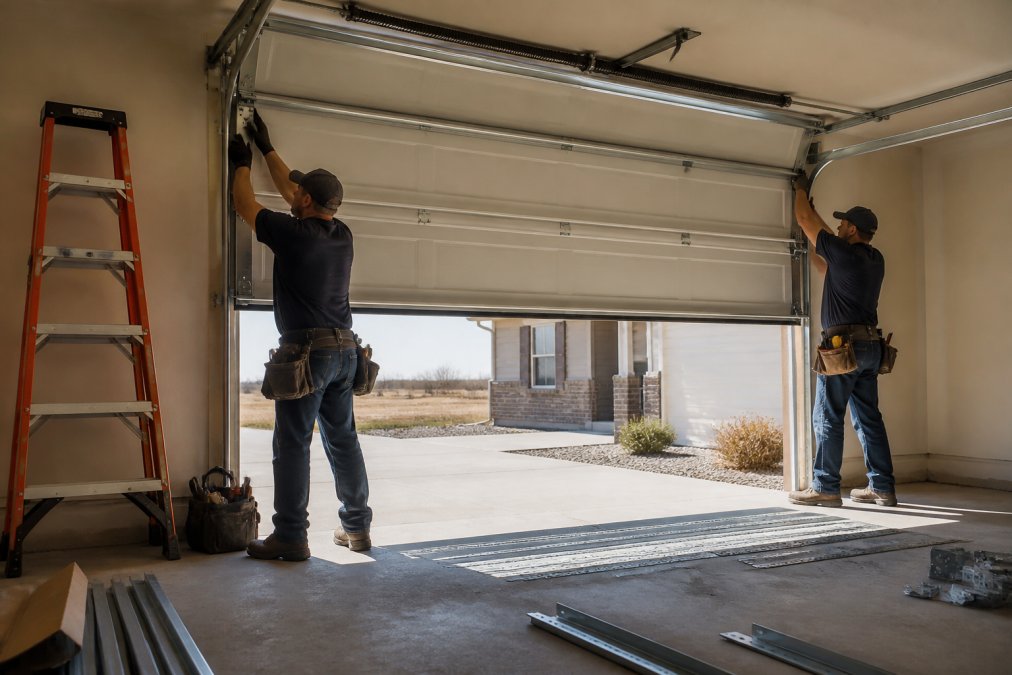
Garage doors are heavy, a typical residential door weighs 300-400 pounds. The springs and cables that support the door are under extreme tension, storing enough energy to cause serious injury if mishandled. Professional installers understand these hazards and follow safety protocols that protect both the installation crew and your home.
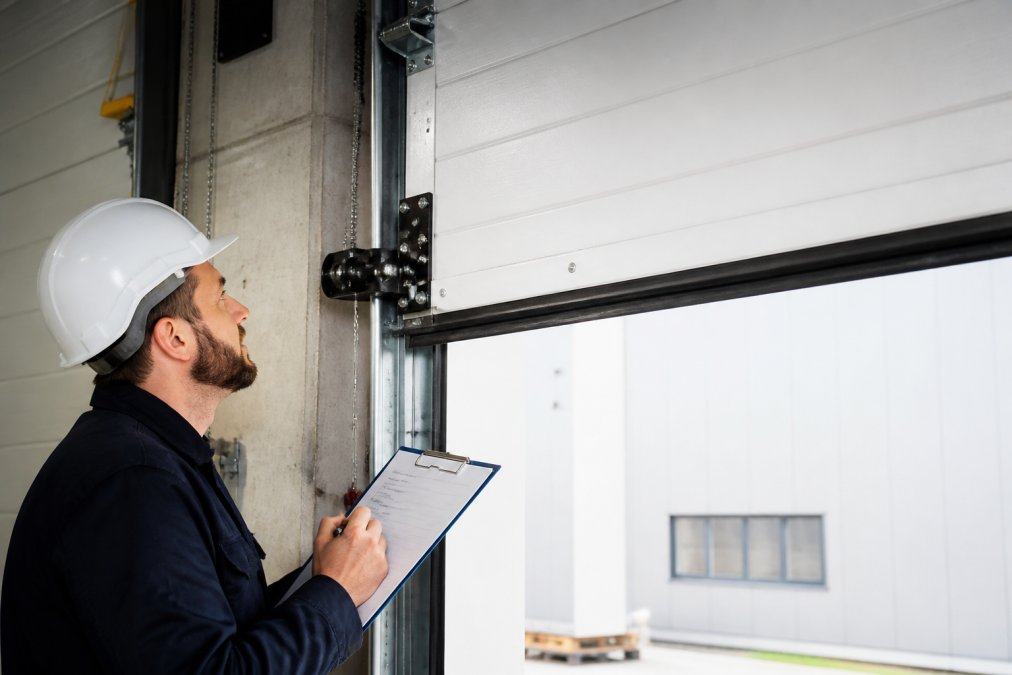
Installation requires specialized knowledge: proper alignment of tracks, correct tension on springs and cables, accurate opener programming, and safety sensor calibration. A small mistake in any of these areas creates ongoing problems, doors that don't close smoothly, openers that strain and fail prematurely, or safety sensors that don't function properly.
Professional installers also have the right tools. Garage door installation requires equipment most homeowners don't own, spring winders, track alignment tools, and diagnostic equipment for openers. Renting or purchasing these tools adds cost and complexity to a DIY approach.
Perhaps most importantly, professional installation comes with warranty coverage. If something goes wrong after installation, you have recourse. DIY installations typically void manufacturer warranties, leaving you responsible for repairs.
American Eagle Garage Doors LLC brings years of experience to every installation. Our team handles everything from initial assessment through final testing, ensuring your new door operates safely and reliably from day one.
Safety Features and Maintenance Checklist for New Installations
A properly installed garage door includes multiple safety features designed to protect your family and property. Understanding these features and maintaining them keeps your system operating safely for years.
Safety Sensors and Emergency Features
Modern garage doors include photo-eye sensors positioned on either side of the door opening, about 6 inches above the ground (cpsc.gov). These infrared sensors detect obstructions, children, pets, or objects, in the door's path. If an obstruction is detected while the door is closing, the sensors trigger the opener to stop and reverse the door.
This safety feature is critical. Before modern sensors, garage door closures caused serious injuries. The sensors have virtually eliminated these accidents when functioning properly. During maintenance, ensure the sensor lenses are clean and properly aligned. Dirt or misalignment can disable this crucial safety feature.
Emergency release mechanisms provide manual control if power fails. A red cord hangs from the opener carriage; pulling it disengages the door from the opener, allowing manual operation. This feature ensures you can access your garage even during power outages.
Preventative Maintenance and Warranty Coverage
Regular maintenance extends your garage door's lifespan and prevents costly repairs. A basic maintenance routine takes minimal time but delivers significant benefits:
- Visual inspection: Check the door for dents, damage, or rust. Look at the tracks for debris or misalignment.
- Lubrication: Apply silicone-based lubricant to hinges, rollers, and track hardware annually. Avoid WD-40 or grease-based products, which attract dirt.
- Balance test: Manually lift the door halfway and release it. A balanced door stays in place; an unbalanced door drops or rises, indicating spring problems requiring professional service.
- Opener testing: Operate the door through a complete cycle, listening for unusual noises. Test the safety sensors by placing an object in the door's path while closing.
- Weatherstripping inspection: Check the rubber seal at the bottom of the door. Replace it if cracked or worn.
Most garage door warranties cover defects in materials and workmanship for 5-10 years, depending on the manufacturer and component (the FTC). Springs typically carry shorter warranties, often 1-3 years, because they wear from repeated use. Opener warranties usually extend 5-10 years. Understanding your warranty helps you know what's covered if problems arise.
American Eagle Garage Doors LLC backs our installations with comprehensive warranty coverage, ensuring your investment is protected. If issues develop, we stand behind our work.
Choosing the Right Installation Service
Finding a reliable garage door installation service requires looking beyond price. The cheapest estimate often reflects cut corners, rushed installation, lower-quality materials, or inexperienced technicians.
A trustworthy installer demonstrates several characteristics. They show up when promised, this seems basic, but it's where many contractors fail. They provide detailed estimates explaining what's included and why costs are what they are. They answer your questions thoroughly and don't pressure you into unnecessary upgrades.
Experience matters significantly. A company that's been installing garage doors for years has encountered virtually every scenario, unusual door sizes, challenging installations, tricky opener situations. That experience translates to fewer problems and faster solutions when complications arise.
Ask about their warranty coverage and what it includes. Does it cover parts, labor, or both? How long does coverage last? What's the process for warranty claims? A company standing behind their work offers comprehensive coverage and a straightforward claims process.
Check references and reviews. Ask the installer for contact information from recent customers. Read online reviews, but remember that both extremely positive and and negative reviews can be skewed. Look for consistent patterns in feedback, do customers consistently mention reliability, quality, and professionalism?
American Eagle Garage Doors LLC has built our reputation on reliability and quality. Our customers know we'll show up when we say we will, deliver professional work, and stand behind our installations. We provide free in-home estimates, transparent pricing, and comprehensive warranty coverage. When you choose American Eagle Garage Doors LLC, you're choosing a partner committed to your satisfaction.
=== FAQ ANSWERS (audit these too, same rules) ===
[1] Q: How much does residential garage door installation cost? A: The cost of residential garage door installation depends on several factors, including the door material, size, opener type, and complexity of the installation. Steel doors typically cost less than wood or aluminum options. Professional installation adds labor costs but ensures proper fit, safety compliance, and warranty protection. Contact American Eagle Garage Doors LLC for a free estimate tailored to your specific needs and door selection.
[2] Q: What is the difference between insulated and non-insulated garage doors? A: Insulated garage doors feature foam or polystyrene cores that improve energy efficiency and reduce noise, with R-values typically ranging from R-8 to R-18. Non-insulated doors are lighter, less expensive, and sufficient for detached garages. For attached garages or climate control concerns, insulated doors help maintain temperature and lower heating/cooling costs. Insulated doors also provide better sound dampening during operation.
[3] Q: How long does professional garage door installation take? A: A standard residential garage door installation typically takes 2-4 hours, depending on door type, opener installation, and site conditions. Opener installation adds 1-2 hours. Professional installation includes proper alignment of tracks, hinges, and rollers, as well as safety sensor calibration. American Eagle Garage Doors LLC schedules installations to minimize disruption to your home.
[4] Q: What warranty coverage does a new garage door installation include? A: Warranty coverage typically includes the door panel (usually 5-10 years), springs and cables (1-5 years), and opener components (3-5 years). Professional installation often includes labor warranty for a specified period. American Eagle Garage Doors LLC provides detailed warranty information with every installation, ensuring you understand coverage limits, exclusions, and how to file claims if issues arise after installation.
[5] Q: Can I install a garage door myself, or should I hire a professional? A: While some homeowners attempt DIY installation, professional installation is strongly recommended. Garage doors involve heavy springs under extreme tension, complex track alignment, and safety sensors that require specialized tools and expertise. Improper installation risks injury, operational failure, and voided warranties. Professional installers ensure proper balance, smooth operation, and compliance with safety codes. American Eagle Garage Doors LLC provides expert installation with guaranteed quality.
[6] Q: What factors influence the price of a new garage door? A: Key pricing factors include material (steel, aluminum, wood), insulation level (R-value), size and style, opener type (chain drive, belt drive, smart-enabled), and installation complexity. Custom or carriage house styles cost more than standard panels. Local labor costs and site-specific challenges also affect pricing. Energy-efficient insulated doors command a premium but offer long-term savings. Request a free estimate from American Eagle Garage Doors LLC for an accurate quote.
[7] Q: Should I choose an insulated or non-insulated garage door for local weather conditions? A: For local climate considerations, insulated garage doors provide superior temperature control and noise reduction, particularly if your garage is attached to your home. Higher R-values (R-12 to R-18) offer better energy efficiency and help maintain stable interior temperatures. Non-insulated doors work for detached garages or mild climates but offer no thermal benefit. American Eagle Garage Doors LLC can recommend the best option based on your garage type, climate needs, and budget.
[8] Q: What are the benefits of hiring a local professional versus attempting DIY installation? A: Local professionals bring expertise, specialized tools, and safety knowledge that DIY installation cannot match. Professional installation ensures proper alignment, smooth operation, and warranty protection. Local service providers offer faster response times, follow-up support, and familiarity with regional building codes. American Eagle Garage Doors LLC provides free estimates, and reliable follow-up maintenance to keep your garage door operating safely and efficiently.
Frequently Asked Questions
How much does residential garage door installation cost?
The cost of residential garage door installation depends on several factors, including the door material, size, opener type, and complexity of the installation. Steel doors typically cost less than wood or aluminum options. Professional installation adds labor costs but ensures proper fit, safety compliance, and warranty protection. Contact American Eagle Garage Doors LLC for a free estimate tailored to your specific needs and door selection.
What is the difference between insulated and non-insulated garage doors?
Insulated garage doors feature foam or polystyrene cores that improve energy efficiency and reduce noise, with R-values typically ranging from R-8 to R-18. Non-insulated doors are lighter, less expensive, and sufficient for detached garages. For attached garages or climate control concerns, insulated doors help maintain temperature and lower heating/cooling costs. Insulated doors also provide better sound dampening during operation.
How long does professional garage door installation take?
A standard residential garage door installation typically takes 2-4 hours, depending on door type, opener installation, and site conditions. Opener installation adds 1-2 hours. Professional installation includes proper alignment of tracks, hinges, and rollers, as well as safety sensor calibration. American Eagle Garage Doors LLC schedules installations to minimize disruption to your home.
What warranty coverage does a new garage door installation include?
Warranty coverage typically includes the door panel (usually 5-10 years), springs and cables (1-5 years), and opener components (3-5 years). Professional installation often includes labor warranty for a specified period. American Eagle Garage Doors LLC provides detailed warranty information with every installation, ensuring you understand coverage limits, exclusions, and how to file claims if issues arise after installation.
Can I install a garage door myself, or should I hire a professional?
While some homeowners attempt DIY installation, professional installation is strongly recommended. Garage doors involve heavy springs under extreme tension, complex track alignment, and safety sensors that require specialized tools and expertise. Improper installation risks injury, operational failure, and voided warranties. Professional installers ensure proper balance, smooth operation, and compliance with safety codes. American Eagle Garage Doors LLC provides expert installation with guaranteed quality.
What factors influence the price of a new garage door?
Key pricing factors include material (steel, aluminum, wood), insulation level (R-value), size and style, opener type (chain drive, belt drive, smart-enabled), and installation complexity. Custom or carriage house styles cost more than standard panels. Local labor costs and site-specific challenges also affect pricing. Energy-efficient insulated doors command a premium but offer long-term savings. Request a free estimate from American Eagle Garage Doors LLC for an accurate quote.
Should I choose an insulated or non-insulated garage door for local weather conditions?
For local climate considerations, insulated garage doors provide superior temperature control and noise reduction, particularly if your garage is attached to your home. Higher R-values (R-12 to R-18) offer better energy efficiency and help maintain stable interior temperatures. Non-insulated doors work for detached garages or mild climates but offer no thermal benefit. American Eagle Garage Doors LLC can recommend the best option based on your garage type, climate needs, and budget.
What are the benefits of hiring a local professional versus attempting DIY installation?
Local professionals bring expertise, specialized tools, and safety knowledge that DIY installation cannot match. Professional installation ensures proper alignment, smooth operation, and warranty protection. Local service providers offer faster response times, follow-up support, and familiarity with regional building codes. American Eagle Garage Doors LLC provides free estimates, and reliable follow-up maintenance to keep your garage door operating safely and efficiently.
Your garage door is one of your home's most-used features. It deserves professional installation by a team that understands the technical complexity and safety requirements involved. American Eagle Garage Doors LLC specializes in residential garage door installation, delivering quality workmanship, reliable service, and competitive pricing. Contact us today for your free estimate and experience the difference professional installation makes.
This article was written using GrandRanker