 how-to
Residential Garage Doors Near Me: A Homeowner's Guide
Table of Contents
- What to Look For in Residential Garage Doors Near Me
- Average Cost of Garage Door Installation: What Shapes the Price
- Garage Door Material Comparison Guide: Steel, Wood, and More
- How to Measure for a New Garage Door Before You Call
- Questions to Ask Any Local Garage Door Installer
- A DIY Maintenance Checklist to Protect Your Investment
- Conclusion: Your Next Step to a Reliable Residential Garage Door
- Frequently Asked Questions
Last Updated: September 8, 2026
Choosing new residential garage doors is a significant investment that affects your home's curb appeal, energy efficiency, and daily convenience. A garage door is often the largest moving part of your house, and selecting the right one requires balancing aesthetics, durability, and budget. This guide from American Eagle Garage Doors LLC walks you through the key factors to consider, what impacts pricing, and how to prepare for a professional installation, so you can make an informed decision before contacting a local expert.
The process can feel overwhelming with so many styles and materials available. However, by breaking down the decision into clear steps, you can confidently narrow your options. Below, we'll discuss how to evaluate your needs, measure your opening correctly, and ask the right questions to ensure your new door delivers reliable performance for years to come.
What to Look For in Residential Garage Doors Near Me
When searching for residential garage doors near me, the best approach is to prioritize function and safety alongside style. A residential garage door is a complex system of panels, springs, cables, and tracks that must work in unison. Look for a provider that offers a full range of services, including installation, spring replacement, and opener repairs, as this indicates a comprehensive understanding of the entire system.
Start by considering the door's insulation R-value, especially if your garage is attached or used as a workspace. Higher R-values mean better energy efficiency and quieter operation (energy.gov). Also, pay attention to the door's construction, including the thickness of the steel and the quality of the hardware. A locally owned company that offers free estimates and stands behind its work with a parts and labor warranty is often a safer bet than a national chain, as they are accountable to their community.
Average Cost of Garage Door Installation: What Shapes the Price
Most homeowners find that the total cost of a new garage door project breaks down into two main parts: the door itself and the labor to install it. While a precise quote requires an on-site visit, understanding the factors that influence pricing helps you set a realistic budget.
Here is a practical breakdown of what influences the cost of a standard double-car (16-foot-wide) garage door replacement:
- The Door (Materials): This is the largest variable. The cost of a door depends on its material, insulation, and features. Basic, non-insulated steel doors are generally more affordable, while mid-range insulated steel doors offer better performance. High-end custom wood or aluminum-and-glass doors represent a significant investment. The price also increases with added features like windows, decorative hardware, or a custom color finish.
- The Labor (Installation): Professional installation labor varies depending on the complexity of the replacement. This fee typically covers the removal and haul-away of your old door, the assembly of the new one, and the critical work of setting the torsion springs. If the installer must also fix damaged tracks, replace rotten wood framing, or re-run electrical wiring for a new opener, the labor cost will rise accordingly.
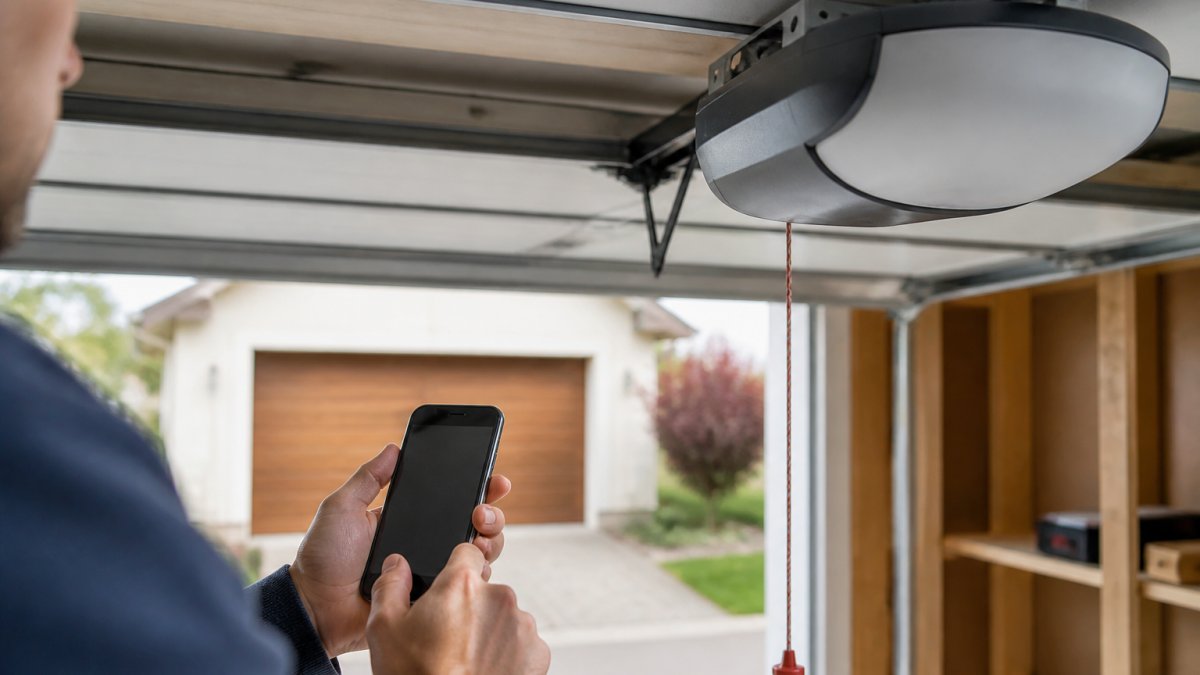
- The Opener (If Needed): A new smart garage door opener adds to the overall cost, depending on the drive type (chain, belt, or screw) and features like battery backup and Wi-Fi connectivity. Belt-drive openers are quieter and are a worthwhile upgrade if your garage shares a wall with a bedroom.
A Unique Angle: The 'Hidden Cost' Checklist
Most price guides stop at the big-ticket items. To protect your budget, ask any installer for a quote that explicitly addresses these often-overlooked costs:
- Haul-Away Fee: Confirm the quoted price includes removing and disposing of your old door. Some companies may add a separate fee for this.
- Re-torquing the Springs: A proper installation includes adjusting the torsion spring tension. This is not a separate line item, but a sign of a thorough job. If an installer quotes a price that seems too low, ask if they plan to reuse your old springs, a dangerous practice that voids most new-door warranties.
- Weather Seal Replacement: The rubber seal along the bottom of the door wears out. A good installer will include a new one, but it is worth confirming it is part of the package.
- Permit Fees: Depending on your local municipality, a permit for structural or electrical work may be required. Your installer should know the local code and include this in the estimate.
By asking for a line-item breakdown that covers these four points, you transform a simple quote into a tool for comparing bids fairly. This approach ensures you are not just comparing the price of the door, but the full scope of the work required to make it function safely for years to come.
Garage Door Material Comparison Guide: Steel, Wood, and More
Choosing a material is about balancing three things: your budget, your tolerance for maintenance, and the architectural style of your home. Here is a deeper look at how each material performs over its lifespan, not just on day one.
Steel: The Low-Maintenance Workhorse
Steel is the default choice for most American homes, and for good reason. It offers the best strength-to-weight ratio and is the most dent-resistant of the common materials. However, not all steel doors are equal.
- Construction Types: You will find two main types. A single-layer door is just a steel skin; it is the cheapest but offers no insulation and is prone to denting. A double-layer door has a steel skin with a layer of insulation (usually polystyrene) backed by a steel or vinyl interior. A three-layer door sandwiches a thick core of polyurethane insulation between two steel skins, offering the highest R-value and the quietest operation.
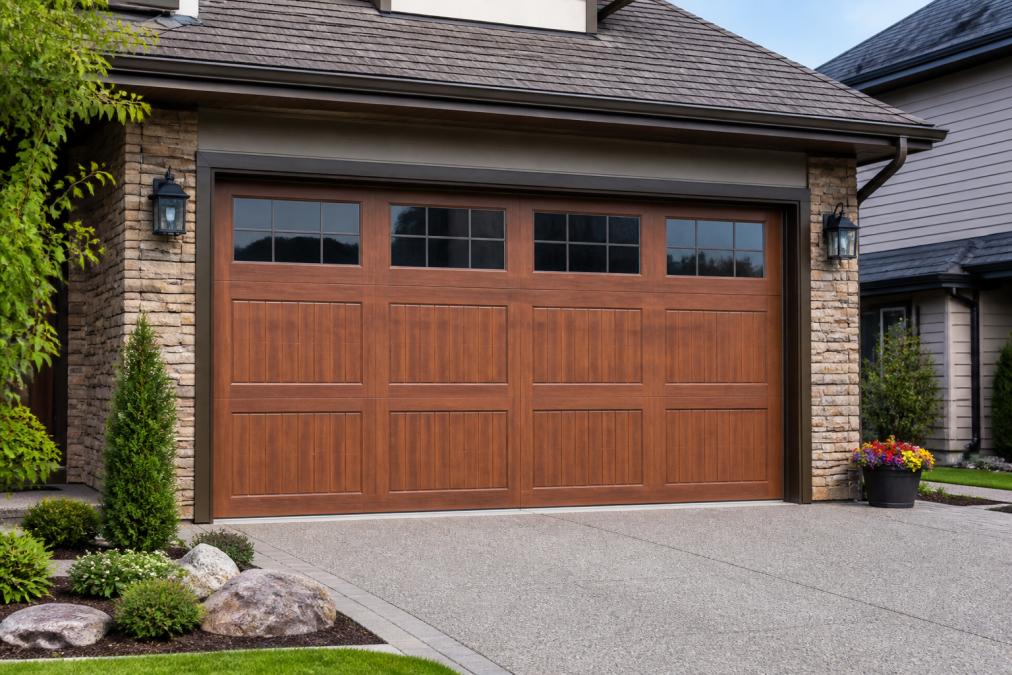
- The Dent Factor: A standard 24-gauge steel door will dent from a stray basketball or a bicycle handlebar. If you have an active driveway, look for a door with a higher steel gauge (lower number, like 22-gauge) or one with a wood-grain embossment, which hides minor dings better than a smooth finish.
- Maintenance Mechanism: The primary enemy of steel is rust, particularly on the bottom panel where it meets moisture. A quality door often has a galvanized bottom edge. Routine tasks typically include washing the surface with mild soap and water and touching up any scratches with appropriate paint to prevent rust from starting.
Wood: The Beauty That Demands Attention
Wood doors offer a warmth and curb appeal that no other material can replicate. They are a common choice for carriage-house style homes. But the trade-off is a strict maintenance schedule.
- The Maintenance Burden: A wood door is essentially an exterior piece of furniture. It typically requires repainting or re-staining periodically, depending on your climate's sun and moisture exposure. If this maintenance is skipped, the wood can absorb water, potentially causing panels to swell, joints to separate, and the door to become unbalanced.
- Performance Nuance: Wood is a natural insulator, but it is also heavy. A solid wood double-car door can weigh 200-300 pounds, which puts significant strain on your springs and opener (homedepot.com). You will likely need a heavier-duty spring system, which is an added cost. If you love the look but not the upkeep, consider a steel door with a wood-grain finish or a composite wood door that mimics the look without the rot risk.
Aluminum and Glass: The Modern Statement
Aluminum frames with glass panels are the go-to for contemporary and modern home designs. They are lightweight and will not rust.
- The Trade-Off: The glass panels are the weak point for energy efficiency. You will need to choose between single-pane, double-pane, or double-pane with a low-E coating. The low-E coating is essential in hot climates to reflect heat and protect interior furnishings from UV damage (energy.gov). Without it, your garage will become an oven in the summer.
- Maintenance Mechanism: The aluminum frame is essentially maintenance-free, but the glass requires regular cleaning to look its best. The real issue is that the large glass panels are susceptible to cracking from impact. If you have kids playing in the driveway, this might not be your safest choice.
Fiberglass: The Coastal Specialist
Fiberglass doors are a niche product that shines in specific conditions. They are highly resistant to salt air and moisture, making them a smart choice for homes near the coast where steel will rust and wood will rot.
- The Catch: Fiberglass is not as strong as steel. It is more susceptible to cracking on impact. Also, while it resists moisture, the outer skin can fade or chalk over time in strong sun. It is a good option, but only if your environment demands its unique properties.
A Final Decision Framework
To make the choice easier, ask yourself these two questions:
- How much time am I willing to spend on upkeep? If the answer is 'none,' choose a three-layer steel door. If you enjoy home improvement projects and have the time, wood is a rewarding choice.
- What is the dominant weather risk in my area? If it is extreme cold, prioritize an insulated steel door with a high R-value. If it is salt air, choose fiberglass. If it is extreme heat, look for aluminum with a low-E glass option.
How to Measure for a New Garage Door Before You Call
Measuring your garage door opening correctly is a crucial step that prevents ordering the wrong size. Before you call for an installation, grab a tape measure and note the width and height of the rough opening, which is the framed hole in your wall. You should measure the widest and tallest points, as older homes can have slightly uneven framing.
Here is a quick checklist for your measurements:
- Measure the width of the opening from the inside of the left jamb to the inside of the right jamb.
- Measure the height from the floor to the top of the header.
- Check the side room (space between the opening and the wall) and headroom (space between the top of the opening and the ceiling).
- Note the type of flooring to determine if a new weather stripping threshold is needed.
Providing these measurements to a professional allows for a faster, more accurate quote. It also helps you identify potential issues, such as insufficient headroom for a standard track setup, before the technician arrives.
Questions to Ask Any Local Garage Door Installer
Asking the right questions protects you from poor workmanship and unexpected costs. When vetting a local installer, you are not just buying a product; you are buying a promise of safety and reliability for a heavy, high-tension system.
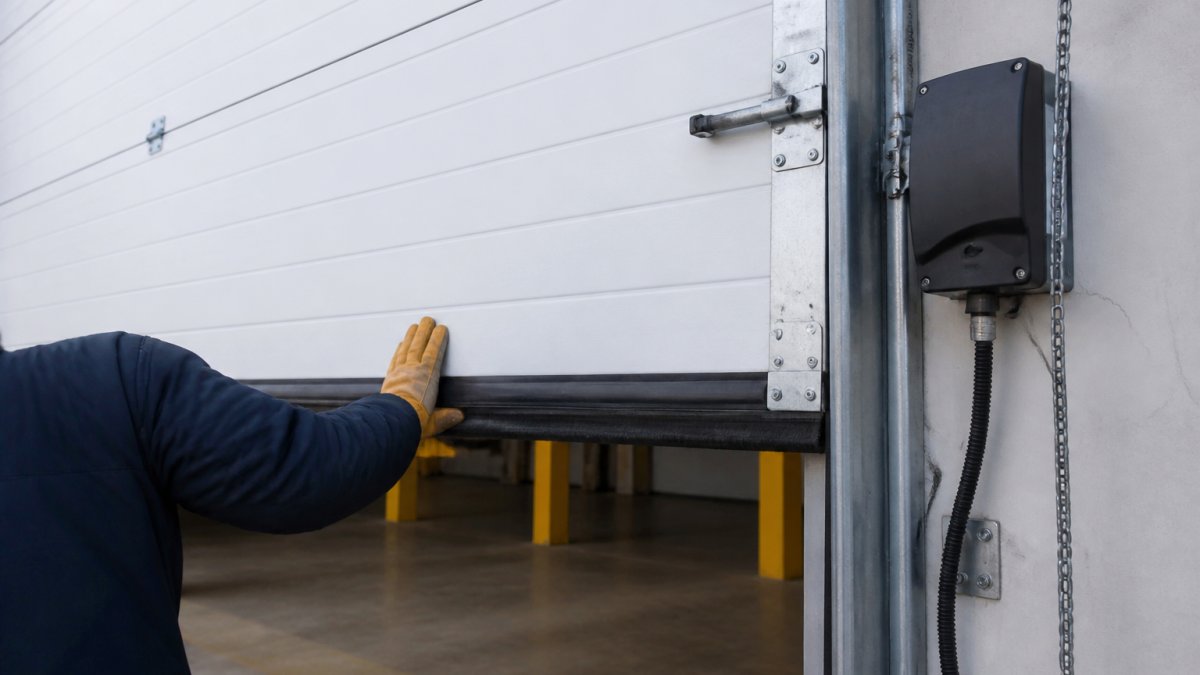
Ask about the company's experience with both residential garage door and commercial loading dock systems. Inquire specifically about their process for handling torsion springs and cable repair, as these are the most dangerous parts of the door to service. Confirm that the estimate is free and ask for a detailed breakdown of the quote, including the cost of removing the old door. Finally, ask about the warranty on both the parts and the labor, and clarify what happens if a problem arises after the installation is complete.
A DIY Maintenance Checklist to Protect Your Investment
A residential garage door requires regular attention to ensure smooth, safe operation. Preventative maintenance is a simple way to extend the life of your door and avoid costly emergency service calls. While complex repairs like cable repair and spring replacement should be left to professionals, you can handle several checks yourself each season.
Follow this monthly checklist to keep your door in top shape:
- Visual Inspection: Look at the springs, cables, rollers, and hardware for signs of wear, fraying, or rust.
- Test the Auto-Reverse: Place a block of wood in the door's path. The door should reverse immediately upon contact.
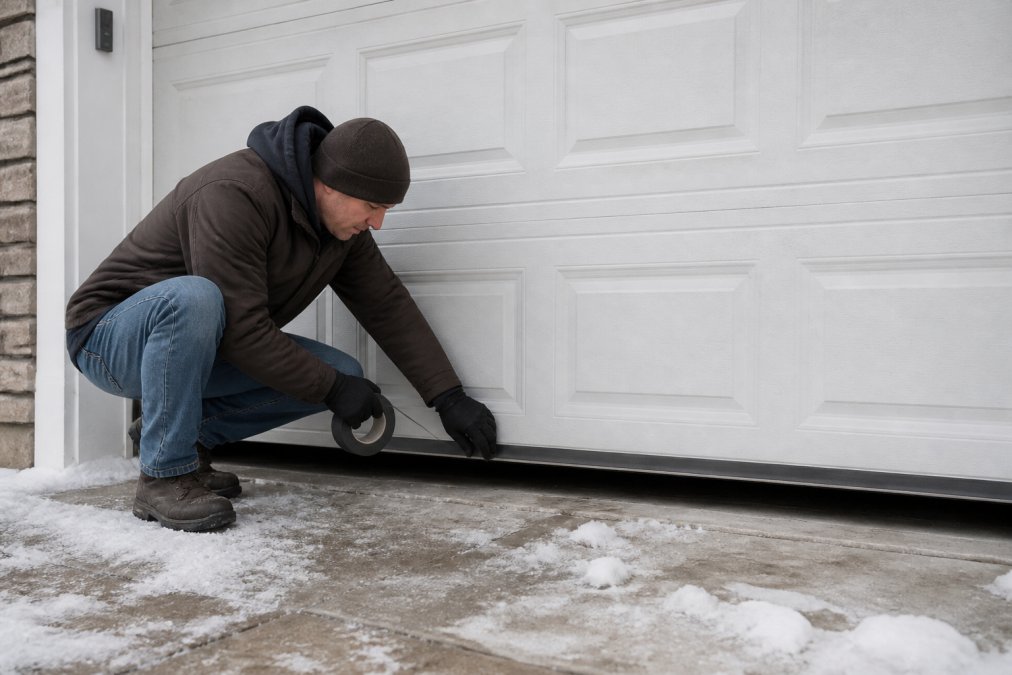
- Check the Weather Stripping: Ensure the seal at the bottom of the door is intact and not cracked.
- Lubricate Moving Parts: Apply a silicone-based lubricant to the rollers and hinges, but not to the tracks.
- Tighten Hardware: Check that all bolts and brackets on the track are secure.
If you notice the door is noisy, operates unevenly, or struggles to open, these are signs of a deeper issue like a track alignment problem or worn-out springs. At that point, it is time to call a professional for a safety inspection and repair.
Conclusion: Your Next Step to a Reliable Residential Garage Door
Finding the right residential garage doors near me comes down to preparation and choosing a partner you can trust. By understanding the materials, measuring correctly, and asking pointed questions, you have already taken the most important steps to avoid common pitfalls. The final piece is working with a team that offers prompt, professional service and stands behind its work.
American Eagle Garage Doors LLC provides expert repair and installation services for residential and commercial garage doors in Greeley and Evans. Our team specializes in high-quality solutions, including spring replacements and opener repairs, ensuring your garage door operates safely and efficiently. We pride ourselves on delivering professional, prompt service and competitive pricing to meet all your garage door needs. Contact us today to receive a free estimate and experience our exceptional customer care.
Frequently Asked Questions
How much should I budget for a new residential garage door?
The cost of garage door installation varies widely based on material, size, insulation, and labor. A basic single-car steel door generally costs less than a custom wood or insulated double-door model. It's advisable to get at least two itemized quotes from local providers. A free, on-site estimate is standard practice, so ask for one before committing to any price.
What is the best material for a residential garage door?
There is no single best material. Steel offers durability and low maintenance. Wood provides a classic, high-end look but requires more upkeep. Aluminum resists rust, and fiberglass handles moisture well. Your choice depends on your budget, climate, and how much maintenance you are willing to do. A professional can help match a material to your home's style and needs.
How do I know if I should repair or replace my garage door opener?
If your opener is over 10-15 years old, lacks safety sensors, or requires frequent repairs, replacement is often the wiser investment. Newer models offer quieter operation, battery backups, and better safety features. If the issue is minor, like a remote programming problem, a repair is usually sufficient. A technician can assess your specific unit and provide an honest recommendation.
What safety features are essential for a new residential garage door?
Modern residential garage doors must have photo-eye safety sensors that reverse the door if an object is in the path. Look for doors that meet current safety standards and have pinch-resistant panels. An automatic opener with a manual release mechanism is also critical. Ask your installer about these features to ensure your family and property stay protected.